From Beer to Apparel: What Happens When a Bio Pioneer Ventures into Fashion?

What does brewing beer have to do with making a T-shirt?
At first glance, not very much. One starts with hops, malt and water; the other with fibres, fabrics and an entirely different supply chain.
But when Neumarkter Lammsbräu decided to launch its own fashion and merchandise range, one question connected the two worlds: How can the values behind a brand and their organic ingredient approach for beer extend beyond its core products?

Lammsbräu has been brewing in Neumarkt in der Oberpfalz since 1628 and has focused on purely organic agriculture for more than 40 years. Today, the company is run in the seventh generation and employs 142 people. Its range includes organic, mostly alcohol-free beer varieties, glutenfree varities, soft drinks and mineral water.

Fashion, however, was new territory.

“As a brewery, we naturally have little expertise of our own in the textile industry,” Lammsbräu explains.
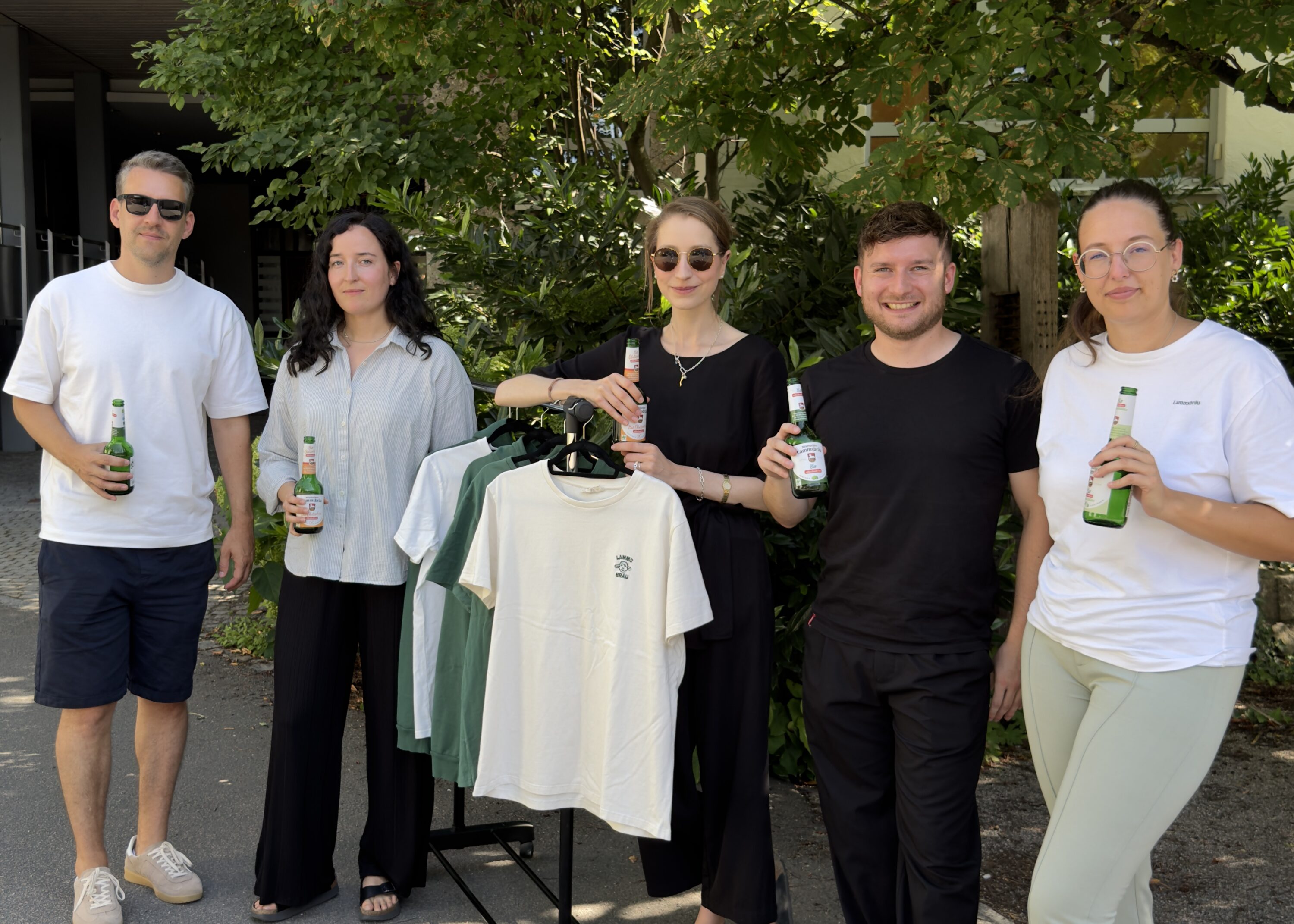
Rather than trying to become textile experts themselves, Lammsbräu looked for a partner with experience in the industry. After conversations with several manufacturers, they chose German GOTS-certified fashion brand Nordlicht to help bring the first part of Lammsbräu textile merchandise to life.
That partnership became a bridge between two very different industries. Lammsbräu brought its brand, ideas and long-standing engagement with organic agriculture; Nordlicht brought its experience in textiles and working with GOTS certification. Together, they developed GOTS-certified products for the launch of the Lammsbräu shop.

Bearbeitete Version, sRGB, Onlineshop Bilder, Merchandiseartikel, Moodbilder

For Lammsbräu, the collaboration also provided a way to work with an established certification framework rather than developing its own criteria for textiles. GOTS covers the third-party certified processing of textiles made with certified organic fibres. It applies to stages after raw fibre production, including first processing, manufacturing and trading, and sets environmental, human rights and social requirements for certified operations.

The collaboration also highlights something easily overlooked about merchandise: a T-shirt may not be a brewery’s main product, but once a company’s name is printed on it, it becomes part of that brand.
For Lammsbräu, that made the choice of textile partner particularly important.
“If there isn’t yet in-depth textile expertise within your own company, you should consciously invest time in selecting the right partners,” the team says. “We were in very open and transparent discussions with many manufacturers.”
Today, Lammsbräu’s shop offers around 20 products, with the range expected to continue growing. Five of the products developed with Nordlicht for the launch are GOTS-certified.

The story behind those shirts is therefore not about a brewery suddenly becoming a textile brand. It’s about recognising when someone else already has the expertise you need – choosing a partner and an established certification framework for the textile products you want to offer.
Because sometimes looking #BehindTheSeams means looking at who is behind them, too.
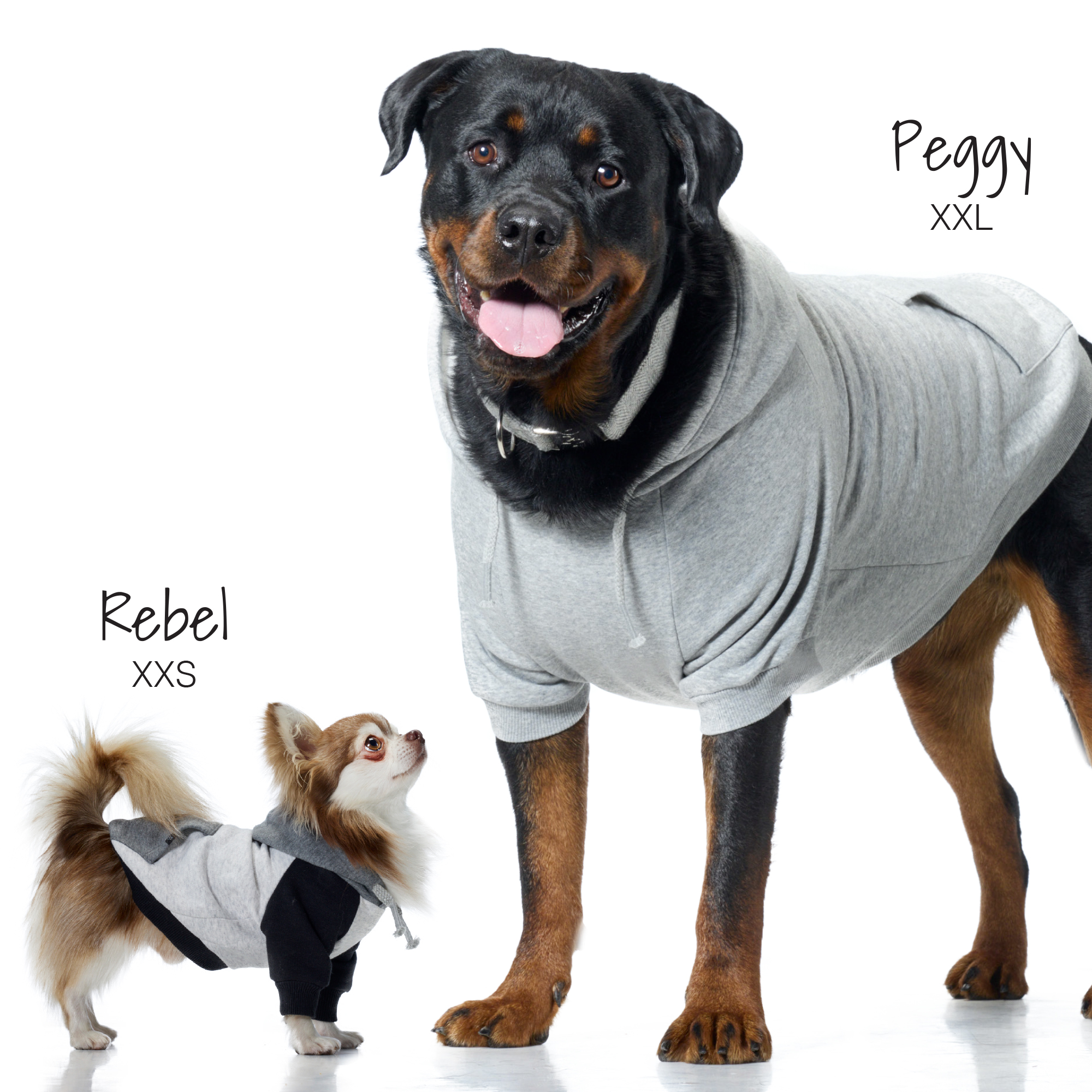
Sometimes Muddy. Always Clean.™ Meet Pet Passion

Many of us consider our pets as members of the family. But while baby products tend to get careful attention to labels, materials and how they’re made, dog products don’t usually receive the same scrutiny — even when the toy in question is about to spend the entire day in a dog’s mouth.

Pet Passion was built with hope to bring that same attention to the pet category.

Founded in Westport, Connecticut by designer Michelle Visser, the brand applies a design philosophy inspired by babies’ and children’s products to the things dogs wear, chew, sleep on and drag through the mud.

Its collection includes GOTS-certified apparel and toys made with certified organic cotton, alongside collars, leashes and harnesses, outerwear, bedding, gifts and accessories. The wider assortment also uses materials including recycled and upcycled materials and vegan leather.

Pet Passion sums up its approach in five words:

Sometimes Muddy. Always Clean.™

Dogs are going to run, roll, tug, and get filthy — that’s non-negotiable, and Pet Passion isn’t trying to change it. What the brand is trying to change is what happens before play time: what a product is made from, how it was produced, and what “organic” on a hangtag actually means.

That’s where GOTS comes in. Pet Passion’s organic toy collection, for instance, pairs GOTS-certified textiles made with certified organic cotton with coconut-fiber filling and squeakers made from recycled plastic bottles — the kind of detail that’s easy to skip and hard to notice unless a brand is actually looking for it. Some of the packaging is printed on recycled paper and produced in a solar-powered facility, extending that same scrutiny past the product itself.

“Organic was never meant to be a marketing word.” For Visser, that line is central to the brand:

“I came to the pet category believing our animals deserved the same level of thought we bring to the products we choose for the rest of our family. For us, organic was never meant to be a marketing word. It needed to represent a real standard behind the products we create. GOTS helps us carry that philosophy from design through the textile supply chain, giving both our team and our customers something meaningful to stand behind.” — Michelle Visser, Founder & CEO, Pet Passion

Pet Passion received its GOTS certification in 2026. For the brand, certification provides defined requirements covering areas including approved chemical inputs and environmental, human rights and social criteria within textile processing. Certification is carried out independently by accredited third-party Certification Bodies.

That commitment to certified textiles is also showing up in Pet Passion’s assortment.

GOTS-certified products currently make up approximately 24.7% of Pet Passion’s available assortment, according to the brand. Pet Passion recorded 249,671 GOTS Units over the past 14 months, including 32,741 in August 2026. Sales of the GOTS-certified Toby II increased 369% year over year, while the organic toy collection has also received media attention, including a recent feature in Oprah Daily — alongside coverage in People, WWD, and beyond.

For Pet Passion, certification also creates an opportunity to explain what sits behind the label. The brand has developed content helping pet parents ask questions about the dog products that enter their home.

Looking ahead, Pet Passion plans to expand the presence of GOTS-certified products across its collection and continue sharing information about the materials and certification requirements behind them.

Because they believe these are the details worth digging into.

Why Athleisure Deserves a Closer Look

When we think about the products we use while doing sports, we often pay close attention to what we choose. The food we eat. The deodorant we use. The shoes we rely on for a long run. We read labels, seek out trusted opinions and scroll through reviews.
But what about the clothes we wear?

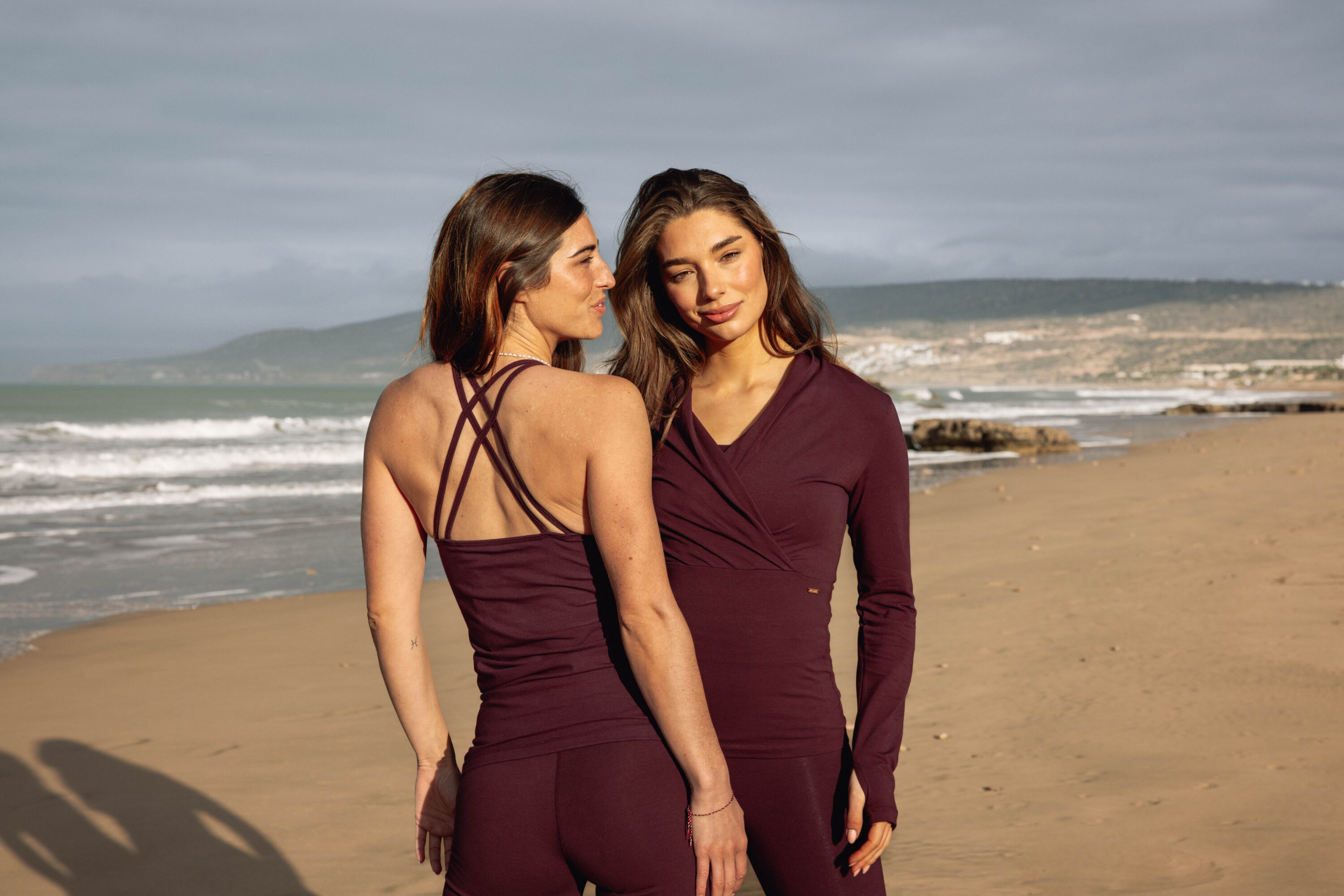
Few garments spend more time in direct contact with our skin than activewear. Yoga leggings, sports bras and athleisure pieces accompany us through movement, stretching and sweating. And increasingly, we wear them long after a workout ends – while working from home, running errands, travelling or meeting friends.
Athleisure has moved far beyond the gym. As these garments become a bigger part of everyday life, there’s another question worth asking: what do we actually know about how the clothes closest to our skin are made?

For many of us, activewear is chosen based on comfort, fit, style and performance. Yet behind every pair of leggings or sports bra is a much longer story involving fibres, dyes, textile processing and manufacturing.
This is where brands like Urban Goddess are asking more questions!
Founded in Amsterdam over thirteen years ago, Urban Goddess began as a grassroots yoga-wear company inspired by a simple idea: creating comfortable, beautiful clothing for yoga practice and beyond. Today, it has expanded into Pilates and activewear while staying close to that original vision.
Part of that philosophy comes from the yogic principle of Ahimsa, often translated as “do no harm.”

“For me, so much of the fashion industry has very dark energies, doing harm to people and the planet,” explains founder and owner Marlene. “It has always been important to us that we make the best possible workable choices.”

For Urban Goddess, that philosophy influences decisions about materials, production and the standards the company chooses to follow.
“Many yoga and Pilates people don’t make any connection between health and the clothes they wear,” says Marlene.
People who carefully consider what they eat, what they put on their skin and how they approach their wellbeing may not always ask the same questions about textiles.
This isn’t about creating fear or guilt. It’s about being curious about something we wear every day.
Urban Goddess says it intended to pursue GOTS certification from early in its development. For many years, the company worked with GOTS-certified suppliers and fabrics before pursuing certification itself in 2023.

“I love that the certification has a broad scope of good practices for environment and humans,” says Marlene.
GOTS applies requirements across textile processing and manufacturing after raw fibre production. These include requirements relating to chemical inputs, environmental management and social criteria – and this compliance with applicable GOTS requirements is independently assessed and certified by accredited third-party certifiers.
For Urban Goddess, certification formalised an approach the company says had been part of its identity from the beginning.
“As all of our products are certified GOTS or OCS, we find that this is in absolute alignment with our DNA. We never wanted to be anything else.”
Every year, Urban Goddess produces around 35,000 garments, sold through its own online store as well as international retailers including Zalando, Avocadostore and Decathlon.
As the brand reaches new audiences, it says it has also noticed growing interest in understanding what certification means.

And perhaps that is where the conversation around athleisure becomes interesting.
Clothes once reserved for exercise are now part of everyday life. We wear them to practise yoga, commute, travel, work and relax. Asking how those clothes were made doesn’t require becoming a textile expert.
It can start with much simpler questions.
What fibres were used? How was the textile processed? Which requirements applied during manufacturing? And what was independently assessed?
For Urban Goddess, GOTS certification provides one framework for answering some of those questions. Rather than describing every possible impact of a garment, the standard defines requirements within a specific scope and provides for independent third-party certification against them.
The next time you pull on your favourite leggings or reach for a sports bra, perhaps take a closer look at the label.
Because when clothing becomes such a constant part of everyday life, it’s worth knowing a little more about the journey behind it.

The Bra that let women breathe: How one company has put women’s wellbeing first for more than a century

It’s difficult to imagine today, but there was a time when simply taking a deep breath wasn’t as easy. For centuries, corsets shaped the female silhouette by tightly compressing the waist and ribcage. While they represented beauty according to the standards of their time, they often came at a high cost: restricted breathing, limited movement and everyday discomfort – in extreme cases even a disfigured anatomy. Women’s bodies were expected to adapt to their clothing and not the other way around.

In 1917, a small company in the German village of Gomaringen challenged that idea. Carl Dölker, the founder of what would later become NATURANA, believed women deserved better. Working alongside physician Dr. Richard Haehl, he developed what became known as the Reform Corset: a design that still supported the female body while allowing women something remarkably simple: the freedom to move, to breathe and to live comfortably. And first and foremost: didn’t come at the cost of their well-being and health.

At the time, it represented a different approach to women’s underwear: putting comfort and freedom of movement at the centre of the design.

Looking back, it’s easy to see NATURANA’s story as one of changing fashion trends – from corsets to bras, from rigid construction to soft fabrics, from traditional materials to innovative fibres.
But underneath every new design lay the same question: How can underwear better support women’s wellbeing?

As the Dölker family explains: “Our great-grandfather’s first real success was the Reform Corset – a corset that restricted women less and was simply far more comfortable than anything else on the market. That’s still our recipe for success today: we’re always most successful with products that are incredibly comfortable.”

Comfort wasn’t treated as a luxury. It became the company’s purpose. And over the decades now, NATURANA continued to develop bras and bodywear that worked with women’s bodies instead of against them, pioneering innovations like the Side Smoother bra while continually refining fit, support and freedom of movement.

Women’s needs have changed. So have the questions.

A hundred years ago, women wanted underwear that didn’t squeeze their ribs. Today, consumers also want to know more about the materials in their clothes and how textiles are processed.
Bras and underwear are among the garments worn closest to the body. For NATURANA, its growing range of GOTS-certified products adds another dimension to the story: certification against defined requirements for organic fibres and textile processing.
GOTS sets requirements for the processing of textiles made with certified organic fibres. It covers stages after raw fibre production, including first processing, manufacturing and trading. Its requirements include criteria for chemical inputs used during textile processing. Chemical inputs used in GOTS-certified wet processing must meet the applicable GOTS criteria before use – all checked and certified by accredited third-party specialists.

For NATURANA, their GOTS certification provides a defined framework for certified organic fibres and textile processing requirements, alongside the company’s longstanding focus on comfort and fit. The brand explains: “GOTS certification is an important step in expanding our range of certified products and applying defined requirements for organic fibres and textile processing.”

More than fashion:
In 1917, NATURANA asked how underwear could restrict women less and offer greater comfort. Today, it continues to focus on comfort and thoughtful design while also expanding its range of products certified to defined textile-processing requirements.

The shape of bras has changed, fabrics have evolved and technology has advanced. But NATURANA’s belief has stayed remarkably close to where it began in 1917: bodywear should help women feel good, not because it changes who they are, but because it supports them exactly as they are.


Hi Bernhard! What’s #BehindTheSeams of MELA Wear?

Have you heard of MELA Wear already? We actually already teamed up with the Germany-based GOTS-certified brand in 2024. Recently, we sat down with Bernhard Weiß, Co-Managing Director of MELA. Having joined the company’s leadership team in 2024, Bernhard brings extensive expertise and works alongside founder Henning Siedentopp to shape MELA’s continued growth. In this conversation, he shares his thoughts on informed consumption, redefining growth, and why people and nature remain at the heart of MELA’s mission.

If someone met you for the first time, what would they probably not expect about you?
Many people probably expect the managing director of a textile company to be someone who mainly talks about growth, markets and numbers. In reality, I often find myself thinking about very different questions: How do we want to live? What does a good life look like? And what kind of world are we leaving behind for future generations?
I am the father of three children, and many of the decisions I make today – both personally and professionally – are guided by the question of whether I could confidently explain and justify them to my children. In doing so, I often rely on my intuition and gut feeling.
What people would probably least expect is that I used to be the singer of a hardcore band.

What is a belief you hold that not everyone in your industry would agree with?
I believe we need to redefine what growth actually means.
For decades, growth has largely been understood in economic terms: more revenue, more products, more consumption. I am not fundamentally opposed to growth. However, I believe we need to ask ourselves a more important question: What exactly do we want more of?
Higher revenue alone does not automatically make people or companies more successful. Perhaps we need more quality instead of quantity. More durability instead of speed. More connection instead of possession.
As a father, I often think about the world we are creating for our children. If growth comes at the expense of people, communities or nature, we should question whether it is truly progress.

When do you feel most aligned – when everything just makes sense?
Usually not in the office—although I deeply value my colleagues.
I feel most aligned when I am spending time with my children or walking through the forests of Sweden. There, I have learned how little we actually need in order to be content. How little it takes to truly feel connected to ourselves.
Nature does not judge. It does not demand constant growth. Instead, it teaches us the importance of balance, patience and connectedness. These lessons strongly influence the way I think about leadership and entrepreneurship today.
This connection to nature also shapes the way I think about our products. Clothing is something we wear directly against our skin every single day. It should not only be good for the environment—it should be good for our bodies too. For me, using certified organic materials free from harmful substances is not a premium feature. It is simply the right thing to do.

From your perspective, how can brands like MELA support people in making more mindful consumption choices?
By making the right choice the easy choice.
Consumers should not have to spend hours researching supply chains or comparing certifications. As a brand, our responsibility is to create transparency, offer durable products and communicate honestly.
The same principle applies to health. Many consumers do not realise that certified organic clothing not only protects the environment, but also keeps harmful substances away from their bodies. For people with sensitive skin, allergies, or young children, this is especially relevant. We want to make that visible – not through fear, but through honest communication.
I would love to see a world in which people buy less, choose more consciously, and appreciate the things they own for longer—or give them a second life when they no longer need them.

In your view, does the fashion and textile industry need more empathy? If so, where? And what role do certifications play?
Absolutely.
Empathy is needed throughout the entire value chain—from cotton farmers and garment workers to consumers and the generations that will have to live with the consequences of the decisions we make today.
Certifications such as GOTS create important standards and transparency. They help make responsibility visible and measurable. But real transformation only begins when people are not merely following rules, but genuinely care about the impact of their actions.
Empathy also means taking the health of our customers seriously. When someone buys a MELA product, they should not have to wonder what is in it. That trust is something we want to earn—through transparency, certified quality and a genuine commitment to wellbeing.
GOTS places strong emphasis on transparency and social criteria. Where do you see the added value of personal communication and relationships beyond certification?
Certificates create trust through systems. Relationships create trust through people.
Long-term partnerships allow for honest conversations, shared learning and continuous improvement. In my view, the strongest supply chains are built not only on audits and contracts, but on mutual respect, trust and shared values.

Looking to the future: what do sustainable synergies between businesses, customers and nature look like?
The future belongs to business models that create value for everyone involved.
I also believe that clothing should actively contribute to people’s health and wellbeing, not just avoid doing harm. Imagine a world where getting dressed in the morning is not only an environmentally conscious choice, but also a healthy one. No hidden chemicals, no compromises. Just materials you can truly trust, on the skin of you and your family.
Companies should be successful because they help people live better lives while protecting, or even regenerating, natural resources. Economic success and responsibility must no longer be seen as opposing forces.
The most successful businesses of the future will not be those that extract the most value, but those that create the most value for people, communities and the environment at the same time.

What role do networks and collaborations play in driving real transformation?
A crucial one.
No company can solve the challenges of our time alone. Real transformation emerges through collaboration, through authentic connections between brands, suppliers, certification bodies, policymakers and consumers.
Sustainability should not be an area where we compete against one another. It should be an area where we make progress together.

What is one hope you have for the industry—and perhaps also for MELA—in the coming years?
I hope that sustainability will eventually stop being a niche topic or a competitive advantage and simply become the norm.
For MELA, I hope we continue to demonstrate that economic success, social responsibility and respect for nature are not contradictions. If we can inspire others to follow the same path, we will have achieved something truly meaningful.
And on a very personal level, I hope that one day my children will be able to say:
“You didn’t get everything right, but you acted with integrity and genuinely tried to make a positive difference.”

Q for Question? Why Q for Quinn chose trust over trends

Every company begins with a question and for Canadian GOTS-certified brand Q for Quinn, it wasn’t “How can we build a sustainable fashion brand?” It was something much simpler: “Why are the clothes we wear closest to our skin often the ones we know the least about?”

That question became the foundation of a company creating organic cotton socks, underwear, bras and activewear – all designed with comfort, quality and transparency in mind. While these everyday essentials rarely take center stage in conversations about textiles, they’re among the garments we wear most, and most importantly, the ones that stay closest to our skin throughout the day.

For founder and CEO Melita Cyril, choosing certified organic materials was only the beginning. The team wanted confidence that every step after the cotton field – from processing and dyeing to manufacturing – meets environmental and social criteria. That’s why becoming GOTS certified in 2022 felt like a natural next step.

“One of the reasons we value GOTS certification is how comprehensive the Standard is,” says Melita. “Beyond verifying certified organic fibre content, GOTS includes strict environmental criteria for processing and chemical use, along with detailed social criteria. This gives us confidence that our supply chain is processed in accordance with GOTS criteria and aligned with ethical and social accountability requirements at every certified step.”

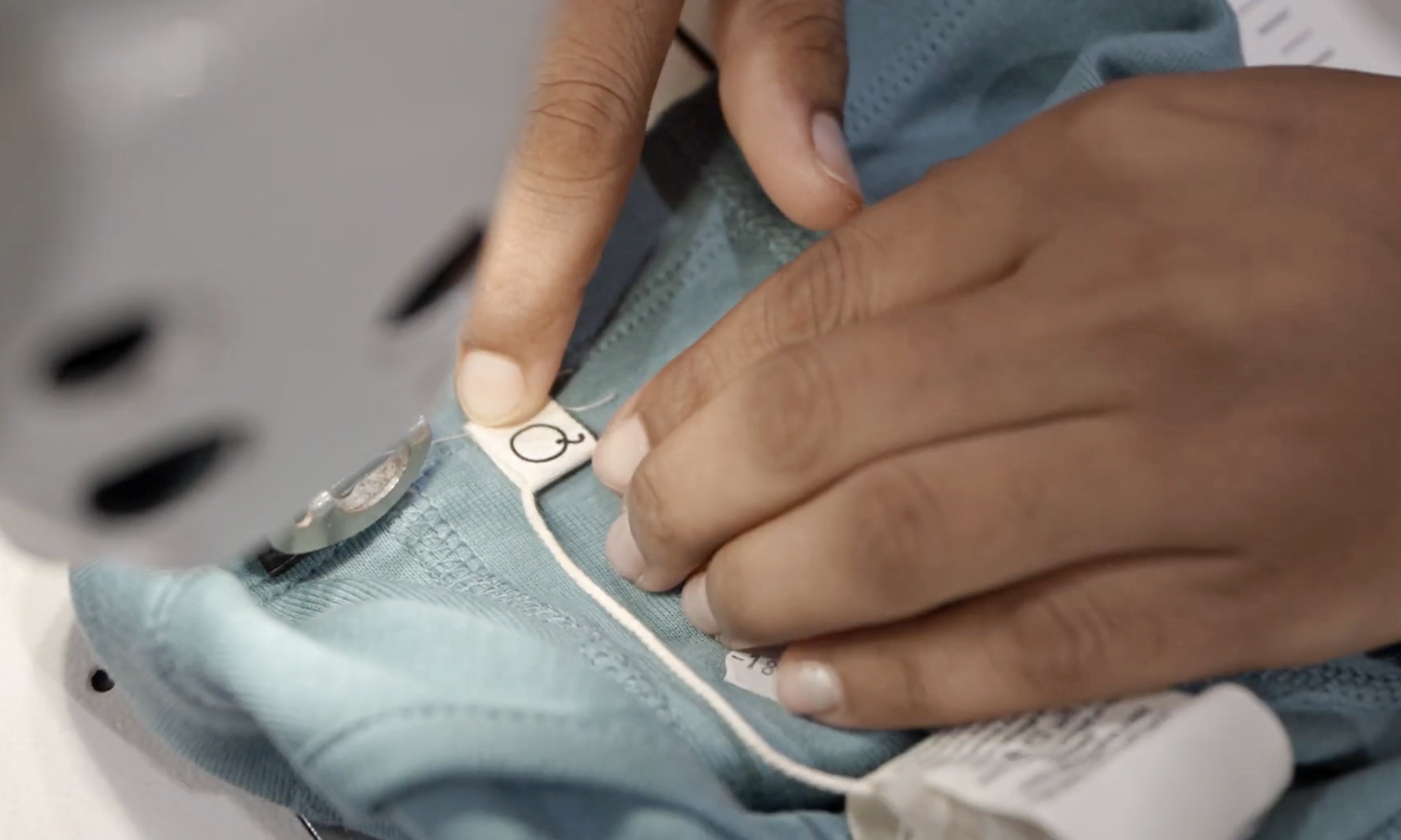
Screenshot

For Q for Quinn, certification is not simply about carrying a label. It has strengthened transparency across the company’s supply chain, reinforced long-term partnerships with manufacturers and provided a programme for continuously improving how their products are made.

Just as importantly, it helps the people who buy their items make informed choices. In a marketplace filled with sustainability claims, independent certification offers reassurance and a clearer way to understand what’s behind the products we wear.
 As Q for Quinn continues to expand its range of thoughtfully designed essentials, the company’s original question remains just as relevant today.

Meaningful change doesn’t always begin with having all the answers. Sometimes, it starts by asking better questions at the right time and, along the way, creating products with a story people can trust.

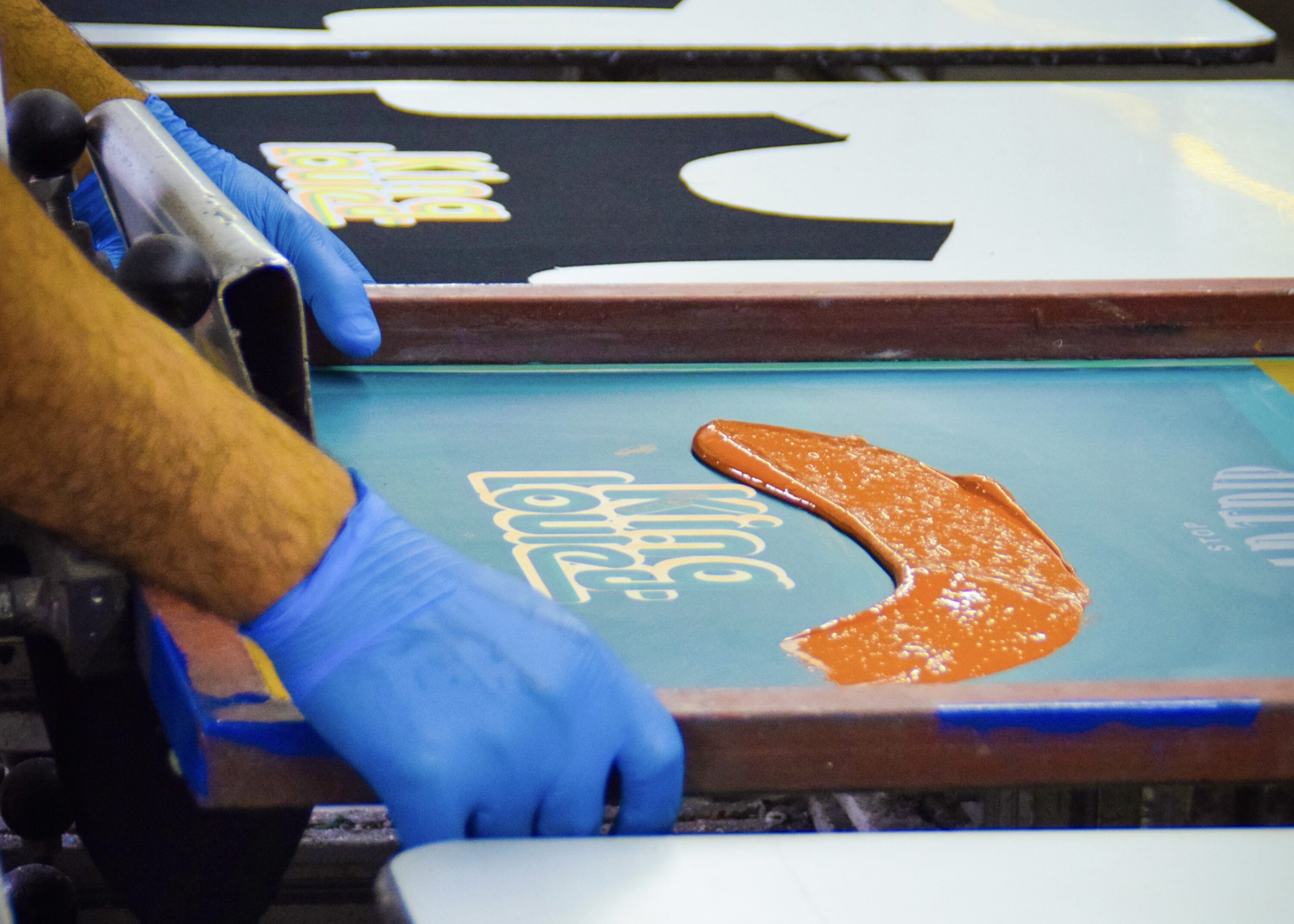
How King Louie Made Sustainability Part of the Pattern

For some reason, sustainable fashion still has a reputation for being a little…serious – some might even say “dry”.
Muted colours. Minimalist cuts. A compromise that limits our personal sytle.
King Louie proves this assumption wrong and challenges stereotypes! If you spot a King Louie clothing item, chances are you remember it.

For more than 40 years, the Amsterdam-based brand has built its identity around joyful prints, vibrant colours and vintage-inspired silhouettes that refuse to blend into the background. Their clothes are designed to make people feel good. Whether that’s through a bright floral dress, a bold geometric pattern or simply the confidence that comes from wearing something that feels uniquely you.
But behind all that colour is another story. One about materials, transparency and the belief that certified fashion can be expressive, while also considering the environmental and social requirements required by getting GOTS-certified.
And perhaps that’s why GOTS certification became a natural next step.
Because creating pieces people genuinely want to keep wearing is already a good place to start.

That mindset is one of the reasons King Louie began working with GOTS certification in 2015. Rather than treating sustainability as a separate project, the company saw it as a way to strengthen what it was already trying to achieve: creating quality garments while strenthening its approach to the environmental and social requirements mandated in GOTS.
Over the years, the Standard helped guide the transition towards certified materials such as organic cotton, while also strengthening oversight of environmental and social criteria throughout the supply chain. It became a benchmark for making more informed material choices and a framework for increasing transparency and traceability.
What’s interesting is that none of this changed what customers know and love about King Louie. As the brand itself puts it: “GOTS has played a foundational role in shaping King Louie’s current sustainability approach and continues to guide its ambition to further increase the share of sustainable materials in its collections.”

The prints stayed bold. The colours stayed vibrant. The collections remain unmistakably King Louie.
The difference is that more and more of those pieces are now GOTS-certified, providing independently verified assurance that the goods meet the Standard’s environemntal and social requirements.

After all, a more sustainable fashion industry doesn’t need fewer colours. It just needs more brands willing to support bold design with transparent, third-party verified production standards.

How GOTS-Certified recolution Connects Fashion with Community

For the Hamburg-based fashion label recolution, verified production has never been a trend, a marketing trick, or just a separate “green” collection. Since the company started in 2010, and got its GOTS certification right from the beginning, the goal has been the same: to prove that fashion can be transparent, long-lasting and meet recognised environmental and social requirements – all at once. As founder Jan Thelen puts it: “GOTS is not a marketing label for us. It is the foundation of our credibility.”

Rather than relying on broad sustainability claims, recolution uses independent certification to substantiate the environmental and social criteria covered by GOTS.
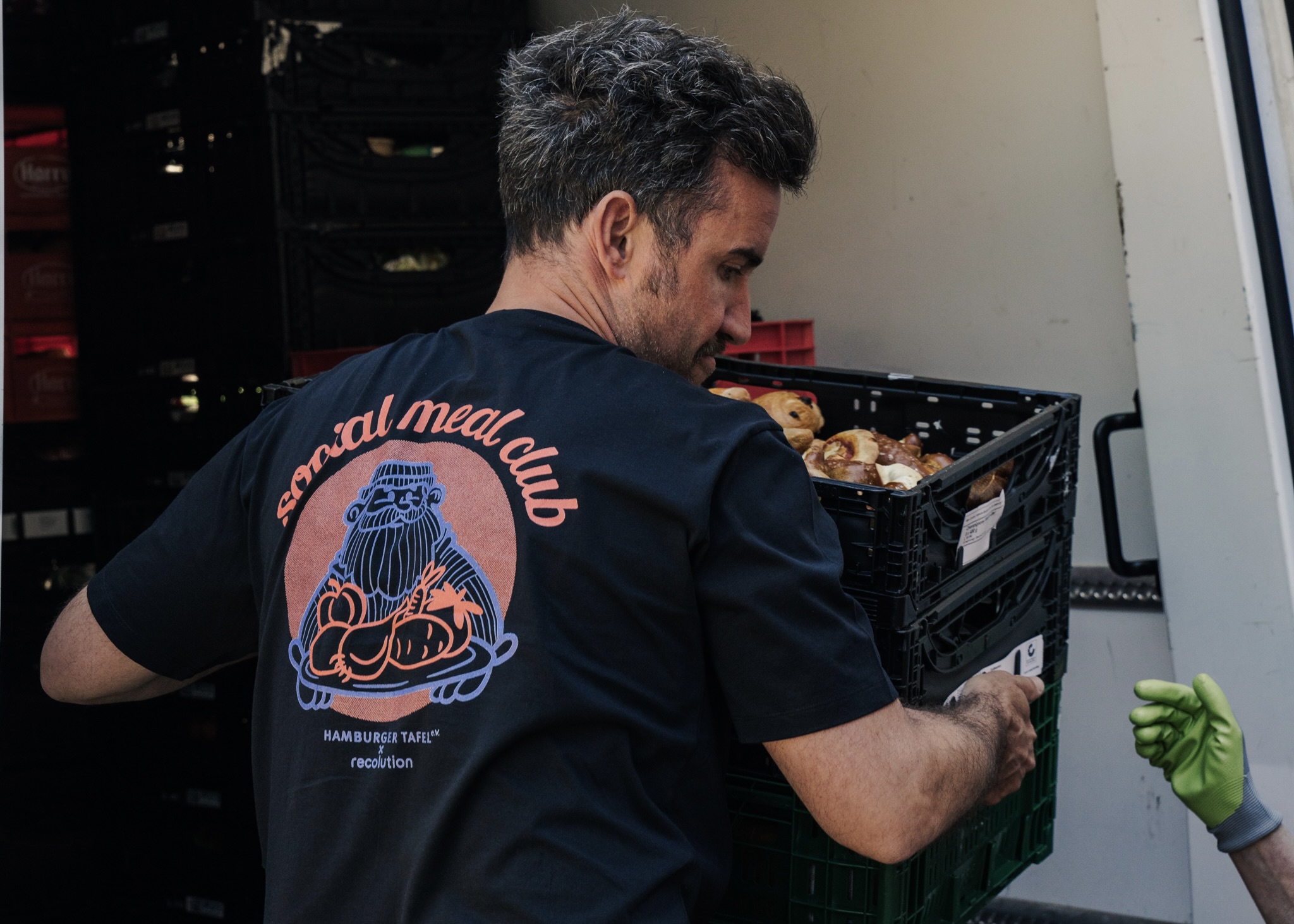
For recolution, these values go much further than certified fabrics and production processes: it is deeply connected to helping people and standing up for shared values. Take the “Social Meal Club”, which supports the Hamburger Tafel. This organisation rescues more than 6,000 tons of food every year and helps around 40,000 people each week, including about 1,300 unhoused individuals. Since they run entirely on donations, partnerships like this make a real difference.


Other great projects include the “No Hate” collection with (also GOTS-certified) football club FC St. Pauli and the beverage company fritz-kola, or the partnership with Goldeimer to support sanitation and hygiene projects worldwide. Jan Thelen explains: “It’s important to us that we also take social responsibility right on our own doorstep, outside our home, office, and warehouse. That is why this initiative is such a heartfelt project for us.” Each initiative combines social ambitions, organic production with real help for people, showing how a clothing company can combine certified production, values dand social initiatives with direct community engagement.

What connects all these partnerships is not a symbolic donation percentage, but honest teamwork. This honest approach also shapes how recolution makes clothes. Around 69% of their products are GOTS-certfied and made from certified organic cotton, and another 2.5% from materials certified to other sustaianable standards. The rest is Lenzing EcoVero viscose, certified wool, and a few items like corduroy trousers that cannot be certified at all. The company aims to design products for long-term use: customers wear their recolution clothes for three to four years on average, and often longer, which is the exact opposite of fast fashion’s throwaway culture. The company avoids elastane and synthetic content wherever it can, maintains traceability throughout its supply chain and treats sustainability into its everyday business practices.

At a time when greenwashing makes it hard to trust the fashion industry, brands like recolution show what it means to actually live your values. Their commitment to GOTS is not just about rules and certificates: it is about being honest, consistent and showing how independently certified production can be combined with wider social engagement. The Social Meal Club is the perfect example: a simple T-shirt becomes a message of solidarity, local responsibility, and the belief that sustainable fashion should not only ask how clothes are made, but also how brands contribute to the communities they support.

More Than a Tampon: How cosmea® Combines GOTS Certification with Consumer Education and Women’s Stories

Few products come as close to our bodies as period care products. Month after month, year after year, they accompany millions of people through everyday life, coming into contact with some of the most sensitive areas of the body. Yet while consumers increasingly ask questions about where their food comes from or how their clothes are made, far less attention is often paid to the origins of the products used during menstruation.

For GOTS-certified brand cosmea®, this has always been a question of trust.

For cosmea®, GOTS certification provides a way to communicate specific, independently assessed requirements for its certified organic cotton tampons. Produced by the Germany-based pelzGROUP, a third-generation family business with more than 75 years of experience in cotton and hygiene products, cosmea® achieved GOTS certification for its organic cotton tampons in 2019.

GOTS covers textile processing stages after raw fibre production, including first processing and manufacturing, as well as trading. The Standard includes environmental and social requirements applicable within its defined scope. Compliance with GOTS requirements is independently assessed and certified by accredited third-party Certification Bodies. For cosmea® however, its activities extend beyond product certification.

But what truly sets cosmea® apart is that its commitment extends beyond the product itself:

This commitment to supporting women extends beyond storytelling. Through its Wonderwomen platform, cosmea® regularly highlights inspiring women who are driving change in their communities, professions, and industries. One feature has put a spotlight on Susanne Diener, our Regional Representative in DACH at Global Standards, who has shared some valuable insights into Toxic Shock Syndrome (TSS) – a rare but serious condition that remains widely misunderstood despite being closely associated with tampon use.

By creating space for conversations around women’s health, safety and informed product choices, cosmea® demonstrates that period care is about more than functionality. It is about empowering consumers with knowledge and encouraging open dialogue around topics that have too often been surrounded by silence or stigma.

This educational initiative sits alongside the brand’s use of GOTS certification. The two have different roles: GOTS certification assesses compliance with defined requirements within the scope of the Standard, while Wonderwomen provides a platform for information and personal stories.

Today, cosmea®’s certified products can be found not only in organic supermarkets but also in major drugstores and retailers across Germany. This widespread availability demonstrates that certified period care does not have to remain a niche choice. Instead, it can become an everyday option for consumers who want products that align with their values. The cosmea® story brings together product certification, consumer information and women’s voices. Through GOTS-certified products and initiatives such as Wonderwomen, the brand gives consumers information about its certified products while creating space for conversations about period care and the experiences of the women who use them.

#BehindtheBackpack: Meet Terra Thread

A backpack seems like a fairly simple object. Fabric, straps, zippers, a few pockets, maybe a laptop compartment. We pick it up, check how it feels, look at the label and decide whether we like it.
But trace that same backpack backwards and a much more complicated story begins to emerge.

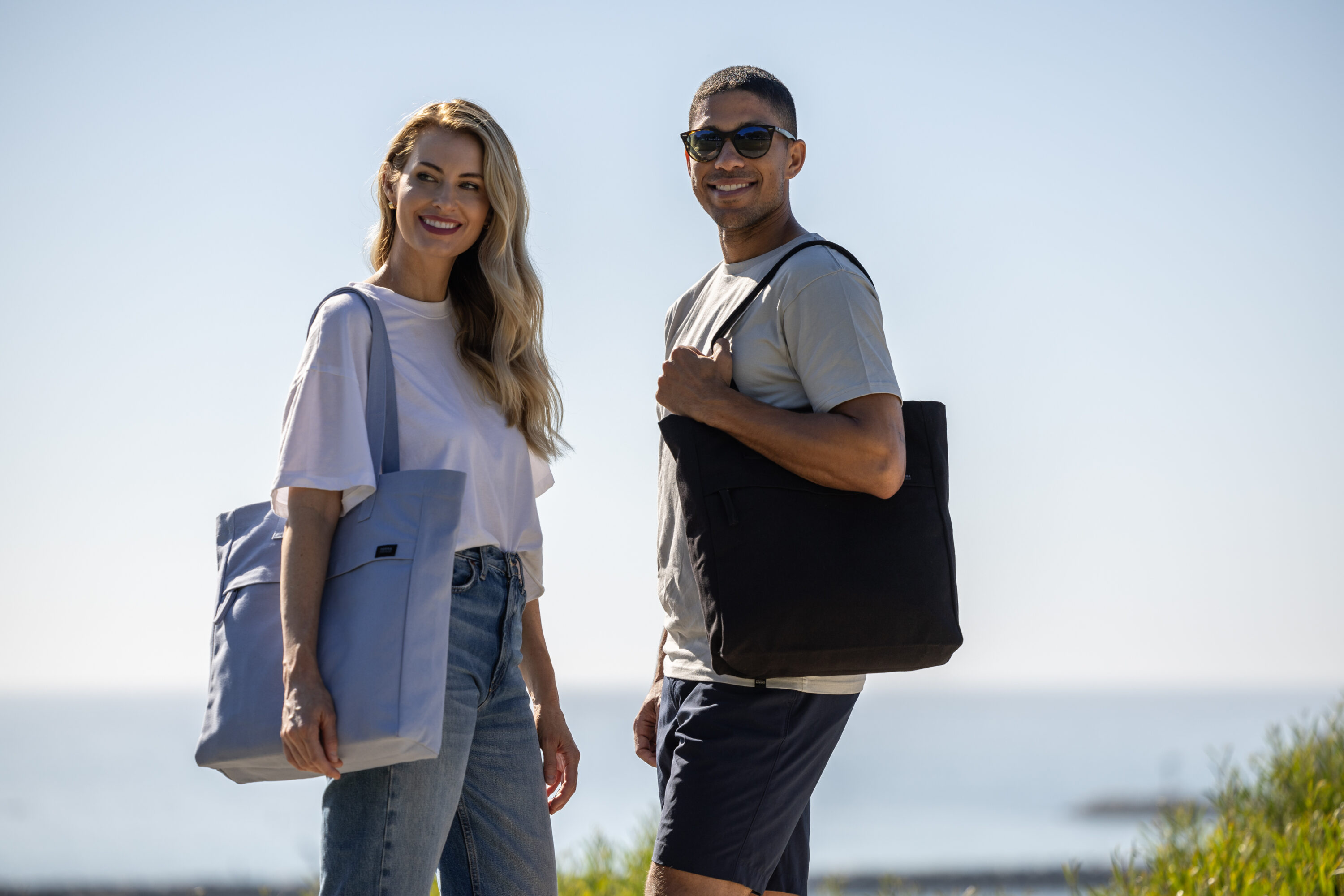
For Terra Thread, a family-run brand based in Southern California, USA, that story starts with a desire to make everyday products differently. Founded by father-daughter-duo Vik and Vizan, the company produces backpacks, totes and other goods made with certified organic cotton. Its wider ambitions include supporting farmers, improving soil health, addressing working conditions and reducing plastic waste.

But what does that look like when you have to turn it into a physical product?
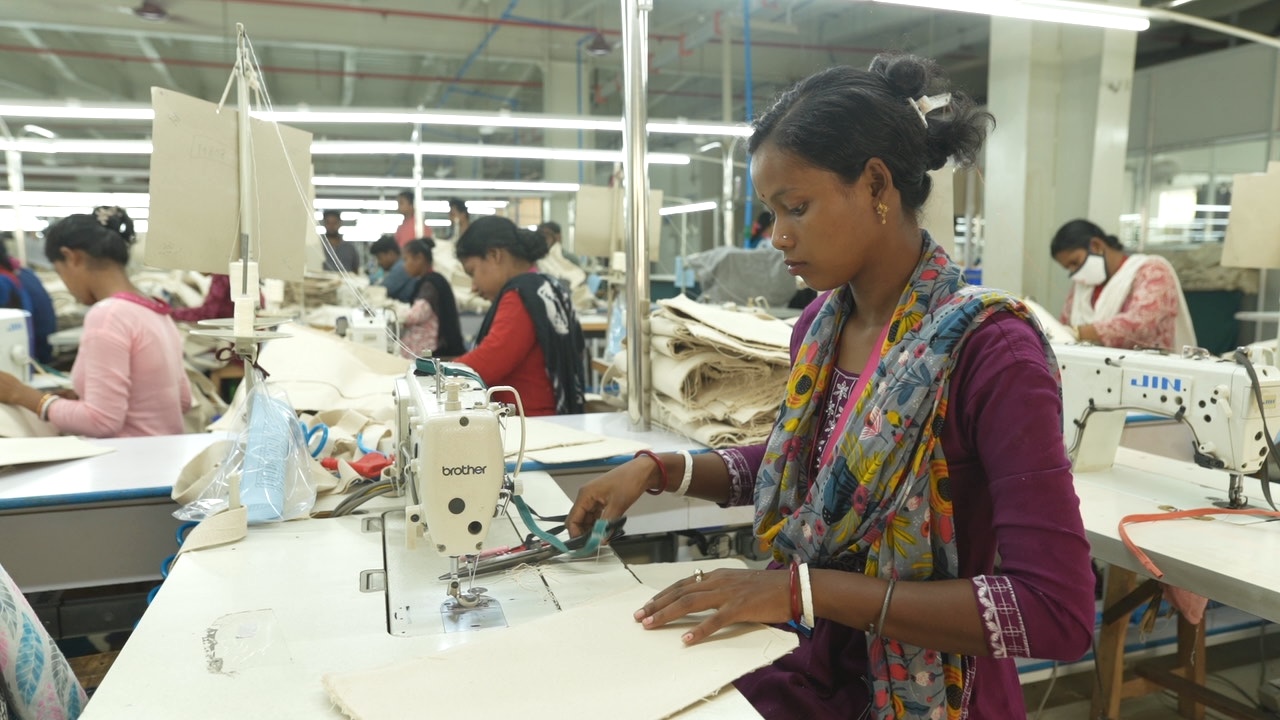
Take one of Terra Thread’s GOTS-certified backpacks. One of the first things you might notice is the material: certified organic cotton. Yet a backpack isn’t just cotton. It has thread, zippers, trims, straps, labels and other components – before the fabric reaches the sewing floor, cotton fibre has already been transformed into yarn and fabric and passed through multiple processing stages. So making a backpack to meet GOTS requirements isn’t about one decision. It involves choices across multiple stages of textile processing and manufacturing.

Terra Thread says this is one of the ways the Standard has shaped its approach. For products certified to GOTS, requirements apply to textile processing and manufacturing, including criteria relevant to materials, chemical inputs and components within the scope of the standard. That affects practical decisions about manufacturing partners and details such as trims and accessories. “Because we exclusively make products that comply with GOTS standards, we are intentionally selective about every stage of production,” Terra Thread explains. “It shapes how we choose our partner factories and guides every detail, down to the zippers, trims, and accessories we use.”

Follow the backpack further backwards and another important distinction emerges. Organic cotton tells us something about how the fibre began its life. But GOTS certification of a textile product is not certification of cotton cultivation itself. Agricultural organic standards address cultivation of the fibre, while GOTS applies requirements to subsequent textile processing and manufacturing stages within its scope.

That distinction matters because so much of a textile’s production story is invisible in the finished product. Standing in a shop with a backpack in your hands, you can’t see how the fibres are grown or how was processed into fabric, the requirements applied at certified facilities or the decisions made when materials and components were selected.

Over the past several years, Terra Thread says it has invested in its supply chain and built direct relationships with farmers growing cotton used in its products. Its work increasingly includes regenerative organic farming approaches intended to improve soil health and support farmer livelihoods.

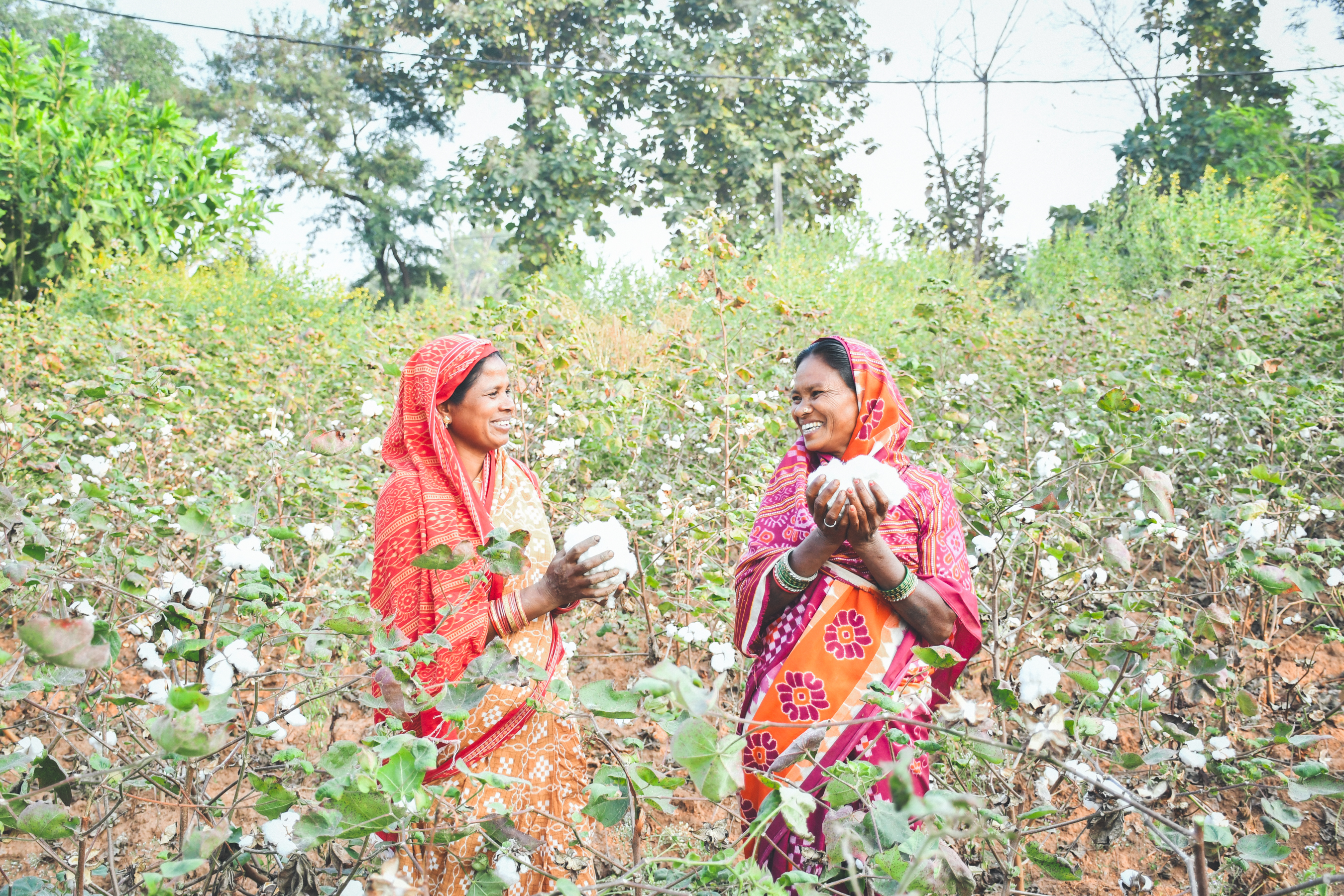
In Odisha, India, Terra Thread along with its parent company, Gallant International Inc., is currently involved in a project working with more than 700 farmers in the drought-prone Balangir district. According to the company, soil is tested to understand its characteristics and deficiencies, while farmers receive non-GMO seeds, technical training and support. The project promotes practices including intercropping, minimal tillage, mulching, agroforestry, water management and biodiversity restoration.

And that is why reducing the story of how a textile product was made to a single word or characteristic can tell us very little. A material doesn’t tell us everything about processing. Certification doesn’t mean every possible environmental or social outcome has been guaranteed. And one feature doesn’t necessarily describe the product as a whole. More useful questions are: which stages are covered, which requirements apply and what has actually been independently assessed?

For a small brand, communicating all of that can be difficult! Terra Thread says GOTS certification gives it a way to communicate some of those otherwise invisible requirements to customers. The company describes recognition and customer trust as positive experiences associated with becoming GOTS certified, while also using the standard as a reference point in its approach to textile processing and manufacturing.

A consumer shouldn’t need to become a textile chemist or supply-chain auditor to understand what a certification means. A certification programme can provide a common reference point by defining requirements and a scope against which compliance is assessed. And perhaps that is the most interesting thing we discover when we follow a backpack backwards. What appears to be one product is actually the result of many interconnected decisions.

The next time you pick up a backpack, look a little closer. Notice the fabric, stitching, zipper and label. Then imagine everything that came before them: the manufacturing, the processing, the cotton, the farmer, the seed and the soil.
Because going #BehindTheSeams means looking beyond what a product is made of and asking a bigger question: What did it take to make it?