It Starts with Small Steps, but Big Choices: Meet Cosy Roots

Some of the biggest questions about what we buy begin with the smallest people in our lives.

What touches their skin? Where was it made? What materials went into it? And do the products we choose reflect the values we want to pass on to them?

For Düsseldorf-based children’s brand Cosy Roots, those questions have been part of the story from the beginning.

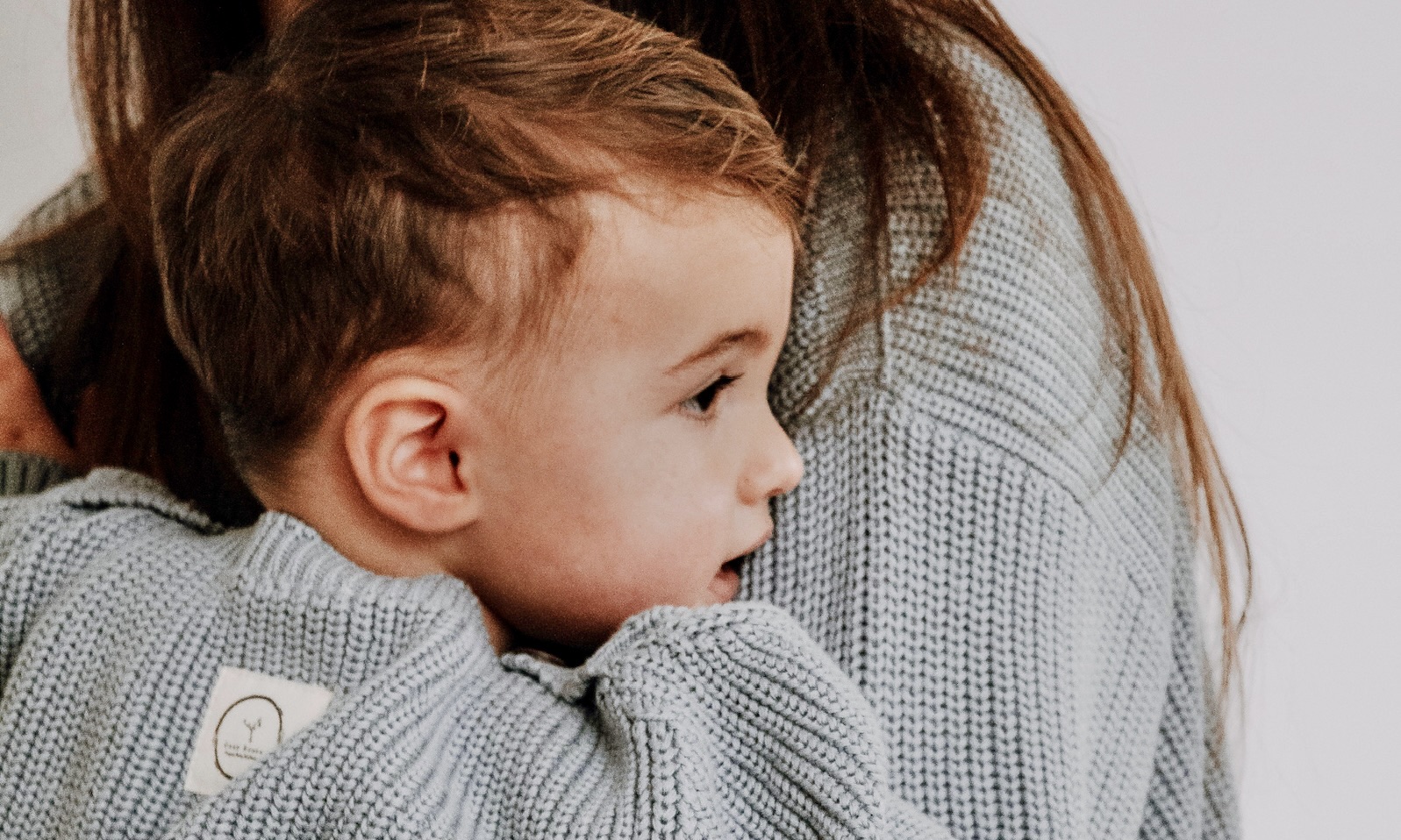
Founded by Karen, a mother of two, Cosy Roots grew from a very practical parenting challenge: finding shoes for little feet that were soft, flexible and stayed where they were supposed to stay. But there was another consideration that mattered just as much: what those shoes were actually made from.

The first answer came in the form of vegan baby moccasins. During her years living on the west coast of Türkiye, Karen found a small workshop that could bring her idea to life without relying on animal-derived materials. What began with shoes soon developed into something much broader: a children’s brand exploring thoughtful material choices across both footwear and clothing.

Today, Cosy Roots creates colourful collections for babies and children, from its characteristic vegan shoes to knitwear, fleece and teddy pieces and other textile essentials.

From vegan footwear to certified textiles

When we hear the word vegan, food may be the first thing that comes to mind. But vegan choices can extend far beyond what is on our plates.

Footwear is one example. Conventional shoes can contain animal-derived materials such as leather, wool or certain animal-derived components. Cosy Roots deliberately chose another route for its footwear, creating vegan shoes designed around the everyday needs of young children.

The brand describes its shoes as soft, flexible and washable, with thin, slip-resistant soles designed for little feet as they crawl, explore and learn to walk. Playful prints – from tiny hearts and woodland animals to lemons and colourful patterns – have become part of their recognisable character.

But as Cosy Roots grew beyond its original footwear idea, another question became increasingly important: how should the textiles children wear every day be made and processed? Cosy Roots received its GOTS certification in October 2021. Today, GOTS-certified textiles form an important part of the brand’s clothing collections.

This can be seen particularly clearly across pieces where the material itself plays a central role – including cosy knitwear as well as fleece and teddy styles designed for the cooler months. These collections bring the brand’s colourful visual world together with certified organic textiles and the requirements that come with GOTS certification. For products carrying the GOTS label, certification means more than simply using organic fibres. GOTS sets requirements for certified organic fibres as well as textile processing and manufacturing stages after raw fibre production, including environmental, chemical and social criteria.

That distinction is important.

Vegan and GOTS-certified are not interchangeable claims. They answer different questions within the Cosy Roots approach to materials. Vegan footwear reflects the decision to avoid animal-derived materials, while GOTS certification compliance with these requirements is independently assessed and certified by accredited third-party Certification Bodies.

Together, these choices show how the brand has developed from one practical idea into a broader approach to children’s products: looking not only at how something feels or looks, but also at what it is made from and which standards stand behind it.

Perhaps that is what makes the Cosy Roots story particularly fitting for children’s clothing.

For young children, ideas such as material choices, production processes or textile certification are still far too abstract. But the habits surrounding those ideas begin early. They begin with the things families bring into their homes, the questions parents ask before buying something and, eventually, the conversations children grow up hearing.

For Cosy Roots, that journey began with one mother searching for an alternative solution for her children’s feet. Today, those first small steps have grown into a colourful world of vegan footwear and GOTS-certified textiles – from cosy knits to soft fleece and teddy pieces – created for little people discovering a very big world.
Sole Purpose: How Conscious Step Turns Every Pair of Socks Into an Act of Kindness

What if the humblest item in your dresser drawer — the sock, forever getting lost in the wash, never quite getting its due — could actually be the one doing the most good?

For the team at Conscious Step, that’s not a rhetorical question. It’s the whole business model.

Walk into the brand’s Brooklyn studio and you won’t find a slogan on the wall so much as a habit built into every decision: make something people will actually wear, and let it quietly do some good in the world while it’s at it. Since 2013, that habit has turned into socks (plus a few candles and t-shirts along the way) that support 22 different nonprofit partners, from the National Parks Conservation Association to Oceana to The Trevor Project. So far, it’s added up to more than $1.95 million raised — not through asking people to give something up, but simply by asking them to put on a fresh pair of socks.

A sock, it turns out, is a surprisingly good messenger. Conscious Step decided that if we’re going to wear something every day, it might as well be printed with a sea turtle for ocean conservation, or a paw print for animal welfare, and it might as well be made with environmental and social standards in mind.

That’s where GOTS enters the story. Every step of processing cotton into a Conscious Step sock — the spinning, the dyeing, the stitching — has to hold up against the Global Organic Textile Standard’s rules on chemicals, water, energy, waste, and treatment of the people doing the work. It’s not a label slapped on at the end. It’s a framework the company leaned on from the start, and has kept leaning on as the standard itself has evolved.

“When sourcing organic cotton, we wanted to do our best to follow guidance and support of aligned global expertise,” says Prashant Mehta, CEO and Founder of Conscious Step. “We’ve continued to educate ourselves and adapt to modern guidance and industry standards of what it actually means to inspire, and challenge ourselves to continue to innovate products in line with evolving GOTS standards.”

For a ten-person team producing an estimated 60,000 pairs of socks a month, that’s no small feat of discipline. But Mehta sees GOTS as something bigger than a sourcing checklist:

“GOTS isn’t just focused on supply chain sourcing, but how a company is managed inside and out. How products are stored, the alignment of values in our supply chain, and protecting the rights of our team members ensures we’re being held accountable to standards outside of our own. Further, it has continued to encourage us to innovate and hold ourselves to premium sourcing standards.” — Prashant Mehta, CEO and Founder

That kind of accountability is exactly what customers are quietly asking for, according to Marketing and Advertising Manager Madeleine Green. “Our socks being GOTS certified helps us build trust with our customers that their purchase is truly a force for good,” she says. “As a brand that values giving back, protecting people and the environment, it ensures that our supply chain is also aligned with our goals.”

Since earning GOTS certification in 2019, that trust has shown up in tangible ways — both from everyday shoppers and the wholesale partners who stock Conscious Step on their shelves. “Our customers, for both the wholesale and direct-to-consumer sides of our business, have really appreciated the transparency in our production process and the assurance that comes with GOTS certification,” Green notes. “It has built a lot of trust for our brand.

And the company isn’t slowing down. “Conscious Step has continued to grow its range of partners and locations around the world, helping validate the quality of our products and our pride in sourcing,” Mehta says, with an eye already on what’s next: expanding the brand’s impact, sharpening its sustainability practices, and dreaming up new styles that push the innovation further.

So the next time you pull on a pair of socks and don’t think twice about it — that’s kind of the idea. Somewhere behind that ordinary act is an organic cotton field, a GOTS-certified supply chain, and a nonprofit partner getting a little closer to its mission. Small stitches. Big causes. One step at a time.


Small Business, Big Ambition: How LittleLeaf Organic Is Rethinking Everyday Textiles

What do a handkerchief, a duvet cover and a pair of pyjamas have in common?

For Lisa and Philip Ingram, quite a lot!

The team behind LittleLeaf Organic has spent the past nine years looking at the ordinary textiles we surround ourselves with every day and asking a simple question: could we do this differently?

From their home base in Hampshire, UK, the two-person business has built a collection that now stretches from bedding and pyjamas to towels, bathrobes, babywear, washbags and reusable makeup remover pads. The ambition behind it is considerably bigger than the size of the team: to offer thoughtfully designed textile products made with certified organic cotton and certified to GOTS.

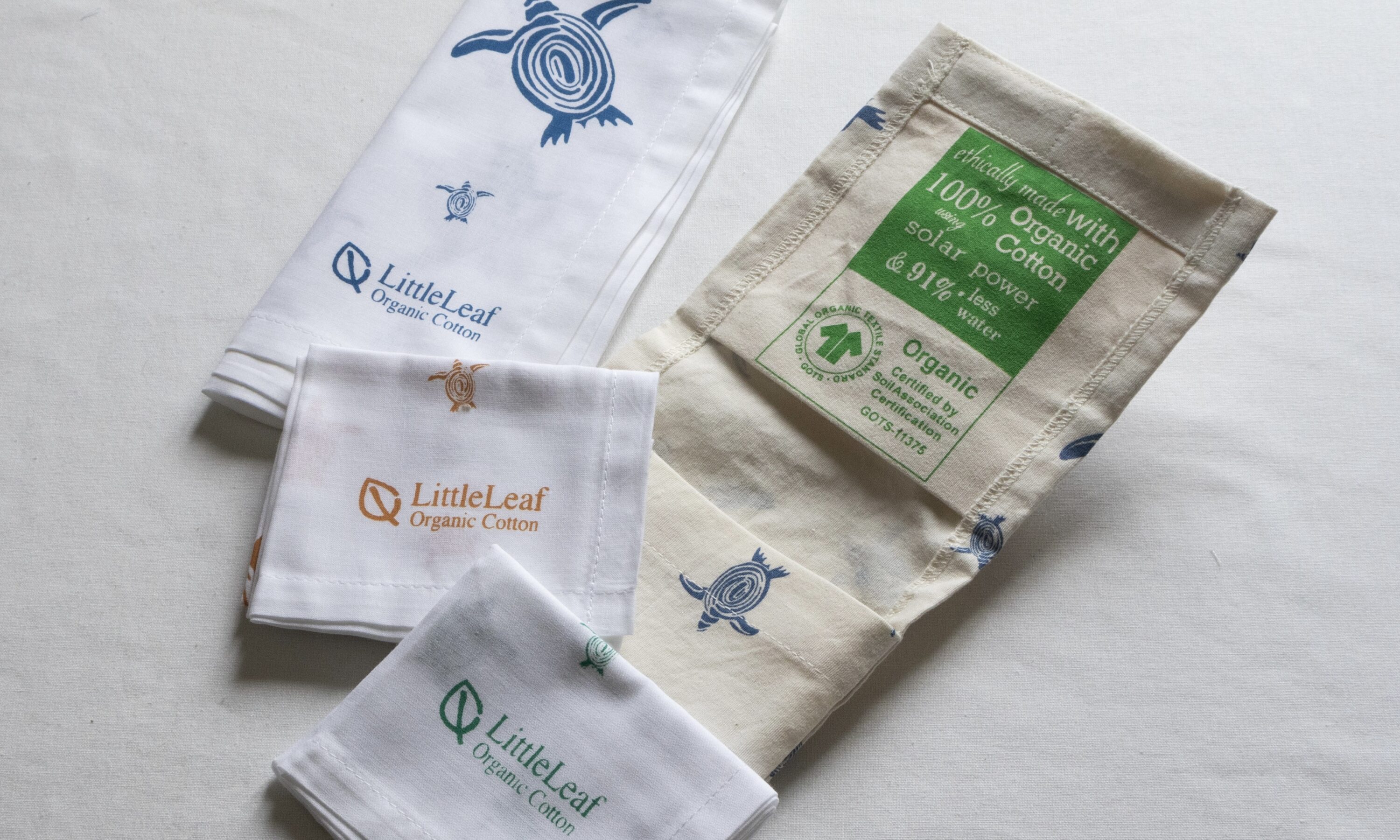
And sometimes, that starts with something as small as a hanky. One of LittleLeaf’s favourite creations isn’t a luxurious duvet cover or a colourful pair of pyjamas. It’s a little pouch containing three organic cotton handkerchiefs.

The idea came from an everyday object familiar to anyone who has ever had a cold: the small packet of disposable tissues wrapped in plastic. LittleLeaf wanted to create a reusable alternative that was just as convenient to carry around. Their solution was deceptively simple. Three organic cotton, GOTS-certified handkerchiefs sit inside a matching cotton pouch, with a separate internal pocket designed to keep used hankies away from clean ones.

For Lisa and Philip, this small product captures much of what LittleLeaf is about: looking at familiar objects and finding thoughtful ways to rethink them.

They’re now on what they jokingly call a mission to bring back the “good old hanky.” This approach has gradually taken LittleLeaf far beyond the bedding and babywear with which the business began. Today, the same philosophy can be found across an expanding collection of household and personal textiles. There isn’t a large design department behind all of this. In fact, LittleLeaf has just two employees: Lisa and Philip.

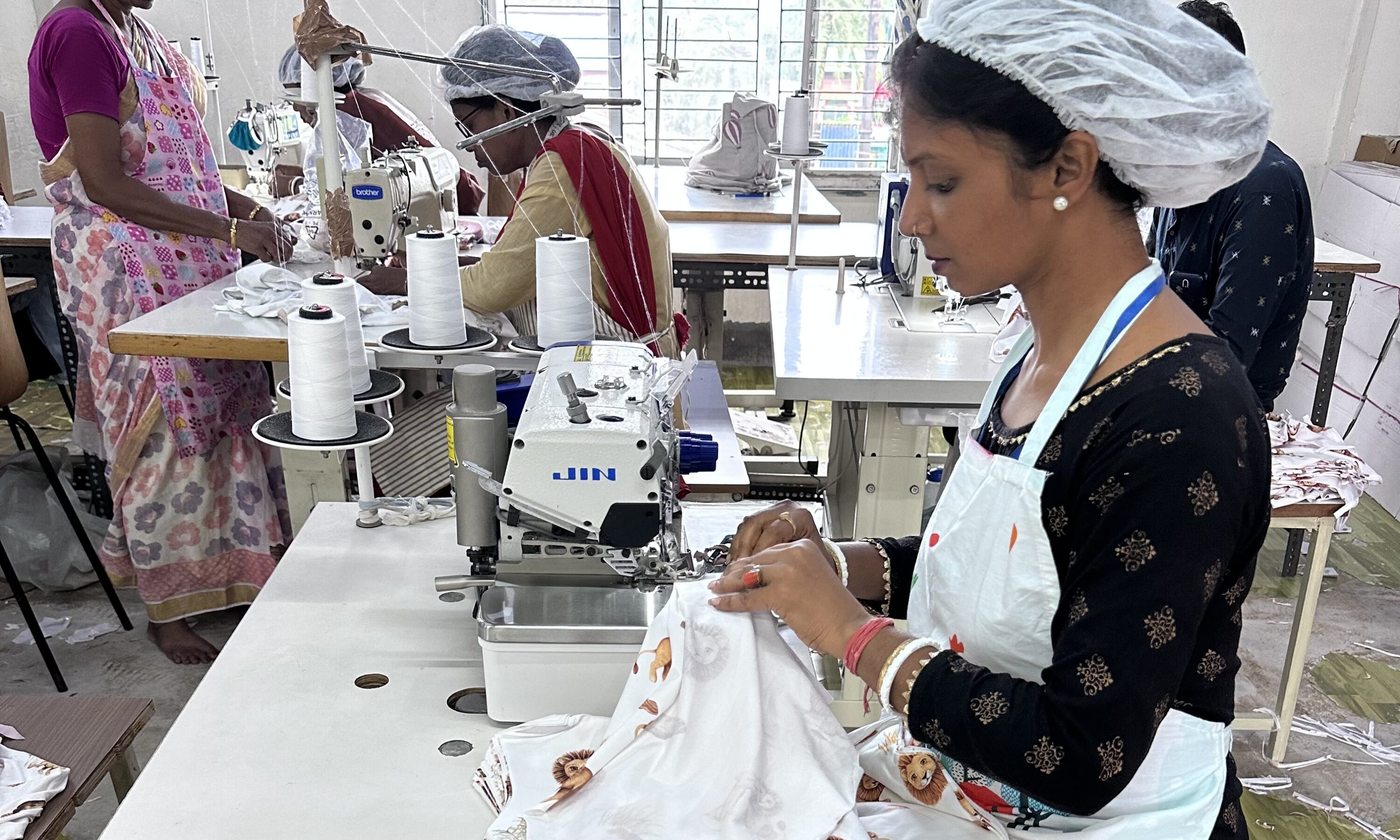
Even the company’s prints have a family connection. One of the couple’s daughters is an artist and helps turn their ideas into original illustrations for LittleLeaf’s designs. That personal approach extends to how the business works with customers. Lisa and Philip handle enquiries themselves and see responsive, individual customer service as one of the advantages of remaining a small company. LittleLeaf works with a GOTS-certified manufacturing partner in India, a facility Lisa and Philip have visited themselves. The company also asks its supplier to bulk-pack products for shipping rather than individually wrapping each item in plastic. Sheets, duvet covers and pyjamas are instead packaged in reusable organic cotton bags, while the company’s other packaging is paper- and card-based.

In 2026, these efforts were recognised by UK environmental charity Surfers Against Sewage with its Gold Plastic Free Champion Award.

For LittleLeaf, GOTS certification wasn’t something that came later as the business grew. It was there from the beginning.

LittleLeaf became GOTS certified in 2017, the year the company was founded. Lisa and Philip wanted independent certification to be part of the foundations of the business.

GOTS applies to textiles made with certified organic fibres and sets requirements for subsequent textile processing and manufacturing, including environmental, chemical, social and traceability criteria.

“GOTS gave us a defined framework to work with and independent certification against its requirements. That gives us peace of mind, and we believe it gives our customers greater confidence too.” –  Lisa Ingram, Co-Founder, LittleLeaf Organic

Certification requires an investment from a business of any size, and for a team of two, that commitment is particularly tangible. LittleLeaf has maintained its certification throughout its nine years in business. For Lisa and Philip, part of the value of certification is having their compliance with defined GOTS requirements independently assessed. The company isn’t trying to reinvent what people have in their homes. We will still need sheets to sleep in, towels after a shower and pyjamas at the end of the day.

Instead, Lisa and Philip are interested in the choices behind those ordinary products: what fibres are used, how products are processed, how they are packaged and who is involved in making them. Their ambition is to become a go-to destination for high-quality, reasonably priced organic cotton products.

And there will undoubtedly be more products to rethink along the way. Because change doesn’t always have to start with a grand invention. Sometimes it starts with looking at something as ordinary as a packet of tissues and wondering whether three little handkerchiefs and a cleverly placed pocket could offer another way of doing things.

What if the best garment is simply the one you never feel the need to replace?

What if sustainability would be all about the design decisions that make you want to keep wearing your clothes year after year?

While organic materials and GOTS certification are essential, another important question is often overlooked:
For Danish brand Serendipity Organics, a very own philosophy has shaped every collection for more than two decades. Since its founding 23 years ago, the family-run company has built its identity around timeless Scandinavian design, natural fibres and thoughtful simplicity. Thereby proving that sometimes, designing less can achieve much more.

Timeless design is a sustainability strategy

Fashion trends change quickly. Colours, silhouettes and details come and go, encouraging consumers to constantly replace perfectly wearable clothing. Serendipity Organics deliberately takes a different approach.
Inspired by Scandinavian design traditions, their collections focus on simplicity rather than short-lived trends. Clean lines, soft colours and understated details allow garments to remain relevant year after year.  That shift in thinking changes everything. A garment that stays in someone’s wardrobe longer reduces the demand for replacement purchases, extends its useful life and makes better use of the resources that went into producing it in the first place.
Fewer collections, more intention – While many fashion brands release new products almost every month, Serendipity Organics creates just two collections each year. Even more importantly, part of every collection never changes.
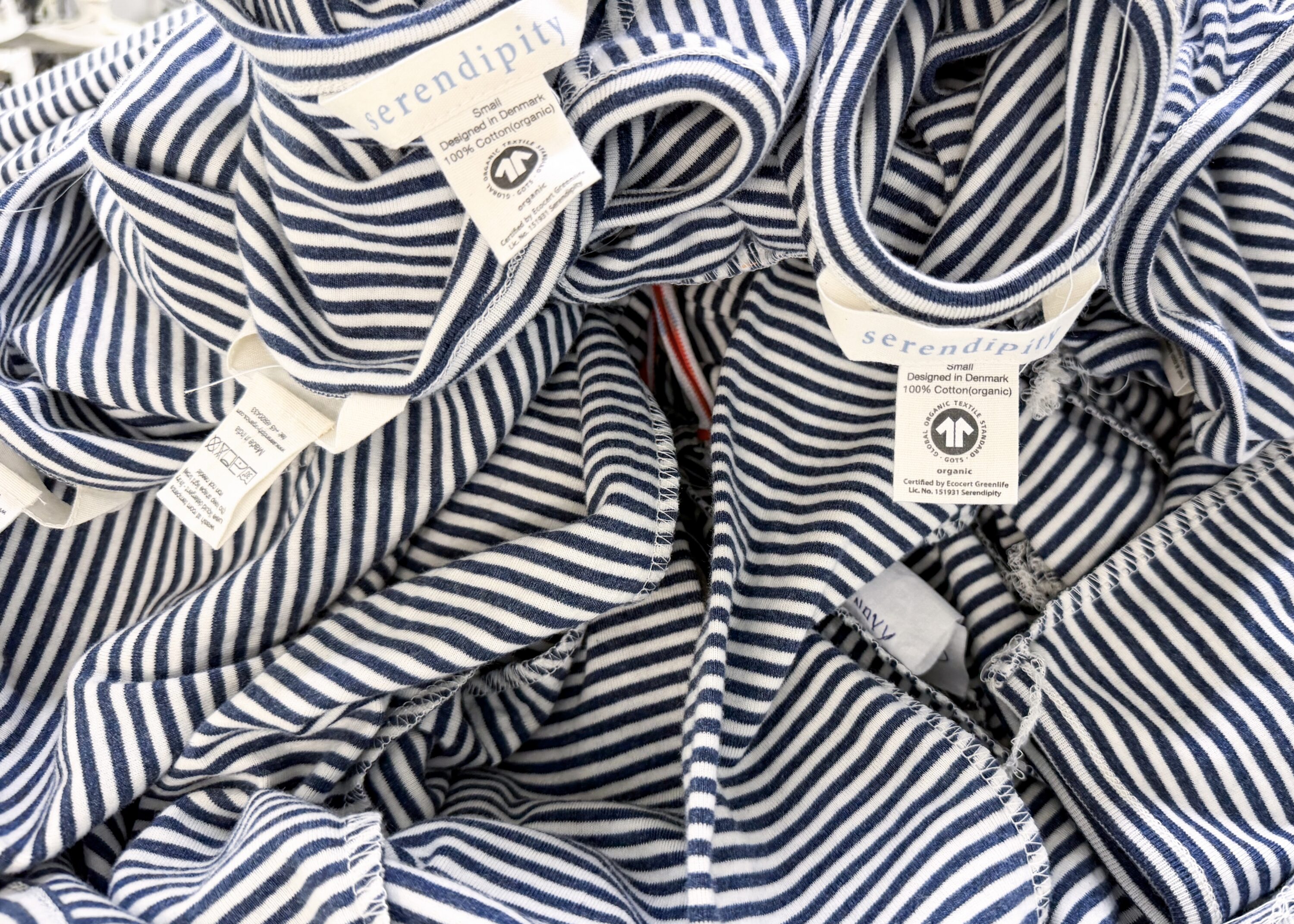
Their melange rib basics, including T-shirts, leggings and baby bodysuits, form a permanent collection that is intentionally non-seasonal and never goes on sale.
Rather than encouraging customers to buy before products disappear or become discounted, these essentials remain available whenever they are needed. This slower rhythm allows the company to focus on quality instead of constant novelty…an approach that reflects the broader principles of slow fashion.
One of the most interesting aspects of Serendipity Organics’ design philosophy is not what they add to their garments, but what they intentionally leave out. Around 90% of their collections are GOTS-certified and mainly consist of organic cotton, and the company deliberately avoids polyester and other non-natural fibres.
They also minimise unnecessary accessories and decorative elements wherever possible. These decisions may seem subtle, but they matter! Designing garments primarily from natural fibres can make future reuse and recycling easier than complex fibre blends in many cases. Simpler construction can also make repairs easier, helping clothing stay in use for longer.
In other words, thoughtful restraint during the design process can support circularity long after a garment leaves the shop.

GOTS as part of the journey: Serendipity Organics became GOTS certified in 2009, choosing the standard because it offered internationally recognised verification that matched the company’s own values. For a niche brand selling to customers around the world, this global credibility was essential.
As the company explains:
“It aligns totally with our DNA. Making organic clothing that is free of harmful chemicals, in a production that takes care of the people making it and ensures that our environment is not polluted by our production.”

Over the past 17 years, GOTS has evolved alongside the company. Rather than changing who they are, the certification has supported continuous learning, helping the brand strengthen practices that were already central to its philosophy while giving customers confidence that the products have been certified against those requirements.
The company is now exploring ways to durther improve product reuse and recovery, including replacing polyester sewing thread with organic cotton alternatives, eliminating plastic packaging and launching a take-back initiative where customers can return used garments for resale through the brand’s own website.
It’s a natural next step for clothing that was designed to last from the very beginning. Sometimes it’s about creating something so thoughtfully that people simply don’t want to let it go!

Condoms, Tampons & Trust: Why the Products Closest to Our Bodies Deserve Better

There are very few products in life we trust as blindly as the ones we use in our most intimate moments.
A tampon at 7 a.m. on a Monday morning.
A condom on a first date.
A period drink tossed into a weekend bag five minutes before missing the train.

They live quietly in bathroom drawers and jacket pockets, somewhere between routine and necessity. Most people barely think about them…until suddenly they do. Because once you start asking questions about what touches your skin, your body and your everyday life, it becomes strangely difficult to stop.
Where do the fibres come from?
Who made this?
What exactly is in it?
And why do we know more about the origin story of our coffee beans than our tampons?

Berlin-based company einhorn has been asking these questions since 2015. But unlike many brands entering the sustainability space with minimalist packaging and a paragraph about “conscious living,” einhorn approached the topic differently from the beginning: with humour and openness.
Their products, condoms, tampons and period care, are designed not only to work well, but to feel good as products people actually want to buy, carry and talk about. That combination matters more than it sounds, because sustainability often still suffers from an image problem.

Too serious. Too moralising. Too beige.

einhorn understands something essential in that context: people don’t want to be lectured or make compromises. And yet, behind the playful packaging and witty campaigns lies a strong focus on how products are sourced and produced.

Their GOTS-certified tampons are made from organic cotton. Their condoms are made from 100% regenerative natural rubber latex. Their period drink “Hexe” is produced in Berlin with wisely chosen ingredients to help before and during menstruation. And throughout their supply chains, the company works toward greater transparency, long-term partnerships and production practices verified against GOTS environmental and social criteria. Not because consumers spend their evenings reading certification criteria for fun, but because trust is built in the details people have to be made aware of to see.

The interesting thing about products like tampons and condoms is that they exist in a category where performance and comfort are everything. Nobody wants to think too hard about them. You simply want them to work. Quietly. Reliably. Without compromise. But perhaps that’s exactly why standards matter so much here.
The closer a product is to the body, or even in the body in case of HEXE the more invisible trust becomes part of the experience.

GOTS certification helps create that trust through requirements around processing, chemical management and traceability across the supply chain. For consumers, that often translates into something beautifully simple: reassurance.

We live in a world of fast products, faster marketing and endless claims of being “natural,” “clean” or “green.” Somewhere along the way, many consumers become exhausted by trying to figure out what any of those words actually mean. What feels refreshing about einhorn is that the company doesn’t try to create the illusion of effortless sustainability. Instead, it treats their efforts & values as something ongoing: improving processes, questioning supply chains, documenting structures internally and continuously learning.
Maybe that’s why these products deserve better standards!


Celebrating every child: How Snuggle Hunny combines creativity and trust

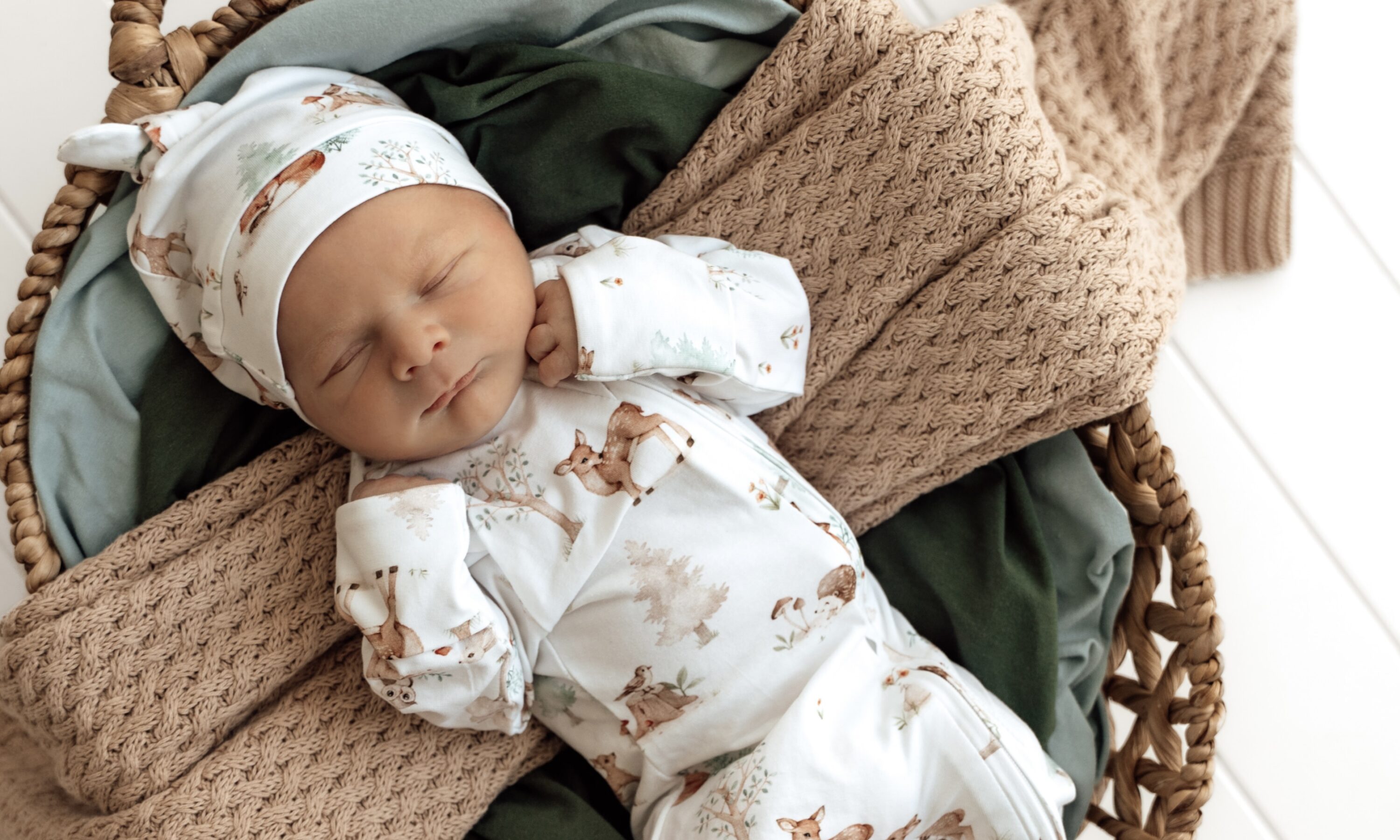
There is something special about baby clothes. They are often among the very first things parents carefully choose (or let’s be honest: get gifted) while imagining the life they are about to welcome into the world. They wrap newborns during their first days, become part of treasured family photographs and are sometimes kept long after they no longer fit. They are small garments, but they carry true meaning.

For Australian childrenswear brand Snuggle Hunny, creating these products has never simply been about making cute or beautiful clothing. It is about celebrating childhood in all its colours while bringing care and attention to the decisions made behind the seams.

Founded in Sydney over a decade ago, Snuggle Hunny has become known for its distinctive hand-painted watercolour prints, soft baby and children’s clothing made with organic fibres and a community that shares the brand’s love for celebrating life’s little moments. Every collection begins not on a computer, but with a paintbrush, transforming original artwork into prints that accompany families through first smiles, first steps and countless everyday memories. But behind the playful designs lies a philosophy that reaches much further than aesthetics.

At Snuggle Hunny, the guiding purpose is simple: to bring joy to their community. Supported by their three core values (shortly but fittingly abbreviated with SOW) – keeping things SIMPLE, being OPEN and striving to WOW in everything they do. For the team, these values are not an initiative that sits alongside the business. They shape how the business operates every single day.

That commitment is one of the reasons Snuggle Hunny chose to become GOTS certified in 2022. In today’s marketplace, words like “organic” appear almost everywhere. Yet for consumers, especially new parents, it can be difficult to understand what sits behind different claims. Snuggle Hunny wanted its customers to be able to look beyond reassurance and understand what stands behind its GOTS certification.

“We want to show our customers that we stand behind what we claim and give them greater transparency about the products they choose for their babies. For us, GOTS was the right choice because it combines requirements for organic fibres with requirements for textile processing and manufacturing.” Julie Mathers, CEO and Owner

GOTS applies one consistent programme across the textile production process. It covers stages after raw fibre production, including first processing, manufacturing and trading. Rather than becoming another logo on a garment label, GOTS has become part of everyday conversations across the business. Documentation, traceability and quality assurance requirements are now deeply embedded in daily operations, bringing structure to internal processes and keeping certification requirements visible throughout relevant departments.

Yet perhaps what makes Snuggle Hunny’s story particularly meaningful cannot be found in a certification document. It is found in Woody.

Julie’s son Woody was diagnosed with Down syndrome during pregnancy. Receiving the diagnosis was overwhelming, especially at a time when information and support felt limited. Today, Julie openly shares their family’s journey in the hope of changing that experience for others.

But rather than focusing on limitations, she speaks about possibility, joy and belonging. Through sharing Woody’s story, Snuggle Hunny encourages greater awareness of Down syndrome while reminding families that every child deserves to be seen, represented and celebrated.

In many ways, that message reflects the heart of the company itself.

For Snuggle Hunny, care is not only about the clothes it creates. It is also about the world those clothes become part of. A world where every child matters, where diversity is embraced and where businesses can play a role beyond the products they make.

As Snuggle Hunny looks towards international growth, those values remain unchanged. While expanding into new markets, the company sees GOTS as a global certification programme that provides a consistent framework of requirements for certified textile processing and manufacturing wherever its GOTS-certified products are found.

For parents, choosing clothing for a baby will always be an act of care. For Snuggle Hunny, honouring this exact care means creating products that bring joy on the outside, while being transparent about the materials, processes and certification behind them.

#BehindTheSeams 2026: Invisible to the eye. Visible through Standards.

Can you believe that September is here tomorrow? And so is #BehindTheSeams!

For the fourth consecutive year, the Global Standards is bringing together brands, retailers, manufacturers, organisations and changemakers from around the world to explore the stories behind the textiles we use every day.
This year’s campaign shines a special spotlight on a simple but powerful idea: understanding how textiles are made matters. Behind every GOTS-certified textile is a story of materials & inputs, production processes and independently verified environmental and social criteria.
Everything that touches our skin matters, may this be tampons, bedsheets or normal “everyday clothes”. GOTS includes comprehensive criteria for chemical inputs and processing, helping to reduce the use of hazardous substances throughout textile manufacturing. From dyes and printing to finishing and accessories, approved inputs are assessed against environmental and toxicological requirements. The result is a certification programme that provides independent verification of how certified textiles are processed and manufactured.

Throughout this September, our global GOTS community, including pact from the US, SnuggleHunny from Australia, Lucy & Yak from the UK, Lanius & Marie Nasemann and even football club VfB Stuttgart from Germany & many more, will take you behind the seams. Together, we’ll share stories from across the textile supply chain, highlight innovative products, introduce the people behind GOTS-certified production, and explore everyone goes above and beyond in form of amazing community projects and initiatives.

Whether you’re discovering GOTS for the first time or have followed #BehindTheSeams from the beginning, we invite you to join us throughout the month. Follow our channels, explore our partners’ stories, take part in exciting giveaways, and discover what happens behind the seams of GOTS-certified textiles.

Every textile has a story and every informed choice begins with understanding how it was made.
Welcome to #BehindTheSeams 2026. Let’s discover what often remains invisible on the surface – but becomes visible in standards…together.

Brand List #BehindTheSeams 2026

03 Sep 2026 – Snuggle Hunny – Australia – Baby and kids clothing

04 Sep 2026 – einhorn – Germany – Period products

05 Sep 2026 – Serendipity Organics – Denmark – Baby, kids and women’s clothing

07 Sep 2026 – Little Leaf Organic – U.K. – Clothes, pajamas and home goods 

08 Sep 2026 – Conscious Step – U.S. – Socks 

09 Sep 2026 – Blutsgeschwister – Germany – Women’s clothing

10 Sep 2026 – CosyRoots – Germany – Baby and kids clothing

11 Sep 2026 – Naturepedic – U.S. – Bedding and homewear

12 Sep 2026 – TerraThread – U.S. – Accessories

13 Sep 2026 – PACT – U.S. – Underwear and basics

14 Sep 2026 – Cosmea – Germany – Period products

16 Sep 2026 – Lucy and Yak – U.K. – Clothing

17 Sep 2026 – Maggie’s Organics – U.S. – Clothing and underwear

18 Sep 2026 – Subset – U.S – Underwear

20 Sep 2026 – Recolution – Germany – Clothing

21 Sep 2026 – King Louie – Amsterdam – Women’s clothing

22 Sep 2026 – Q for Quinn – Canada – Underwear

23 Sep 2026 – Living Crafts – Germany – Clothing

24 Sep 2026 – vfb Stuttgart – Germany – Football merch

25 Sep 2026 – JAN N JUNE – Germany – Women’s clothing

26 Sep 2026 – Beaumont Organic – UK – Women’s clothing

27 Sep 2026 – MELA – Germany – Towels 

28 Sep 2026 – Naturana – Germany – Bras and underwear

29 Sep 2026 – Urban Goddess Yoga – Amsterdam – Activewear

30 Sep 2026 – Knowledge Cotton Apparel – Denmark – Clothing

01 Oct 2026 – Stanley / Stella – Europe – Blank apparel

01 Oct 2026 – LANIUS – Germany – Women’s clothing

04 Oct 2026 – Pet Passion – U.S. – Pet products

08 Oct 2026 – Mungo – South Africa, US, UK – Home goods


See you in September!

Behind The Seams #BottomUp Sneak Peek

Thank you to A Single Thread for spreading awareness about the materials and chemicals in our underwear and everyday textiles through the Bottom Up campaign.

This September, #BehindTheSeams returns. Every day throughout the month, we’ll introduce you to a different brand that offers GOTS-certified products and share what’s really behind the textiles we use every day (with giveaways!). Here’s a list of some underwear brands that will be participating, so note down these days to remember to enter for your chance to win.


13 Sep 2026 – PACT – U.S.

17 Sep 2026 – Maggie’s Organics – U.S.

18 Sep 2026 – Subset – U.S

22 Sep 2026 – Q for Quinn – Canada

23 Sep 2026 – Living Crafts – Germany

28 Sep 2026 – Naturana – Germany


See you in September – where each day is a chance to learn more about the textile industry and win some GOTS goodies!

Meet PILATEX: “Luxury textiles begin with respect for the people who make them.”

In the highlands of Madagascar, generations of textile knowledge continue through skilled hands and carefully practised techniques. Today, that tradition is part of the story of GOTS-certified textile manufacturer PILATEX.

Behind products made for international fashion, home décor and tableware brands stands a company many consumers may not yet know. Within its workshops, more than 700 artisans — around 80% of them women — produce millions of textile accessories each year, combining Malagasy craftsmanship with modern textile production.
Founded in 1992 PILATEX has built its business around local production and artisanal skills.

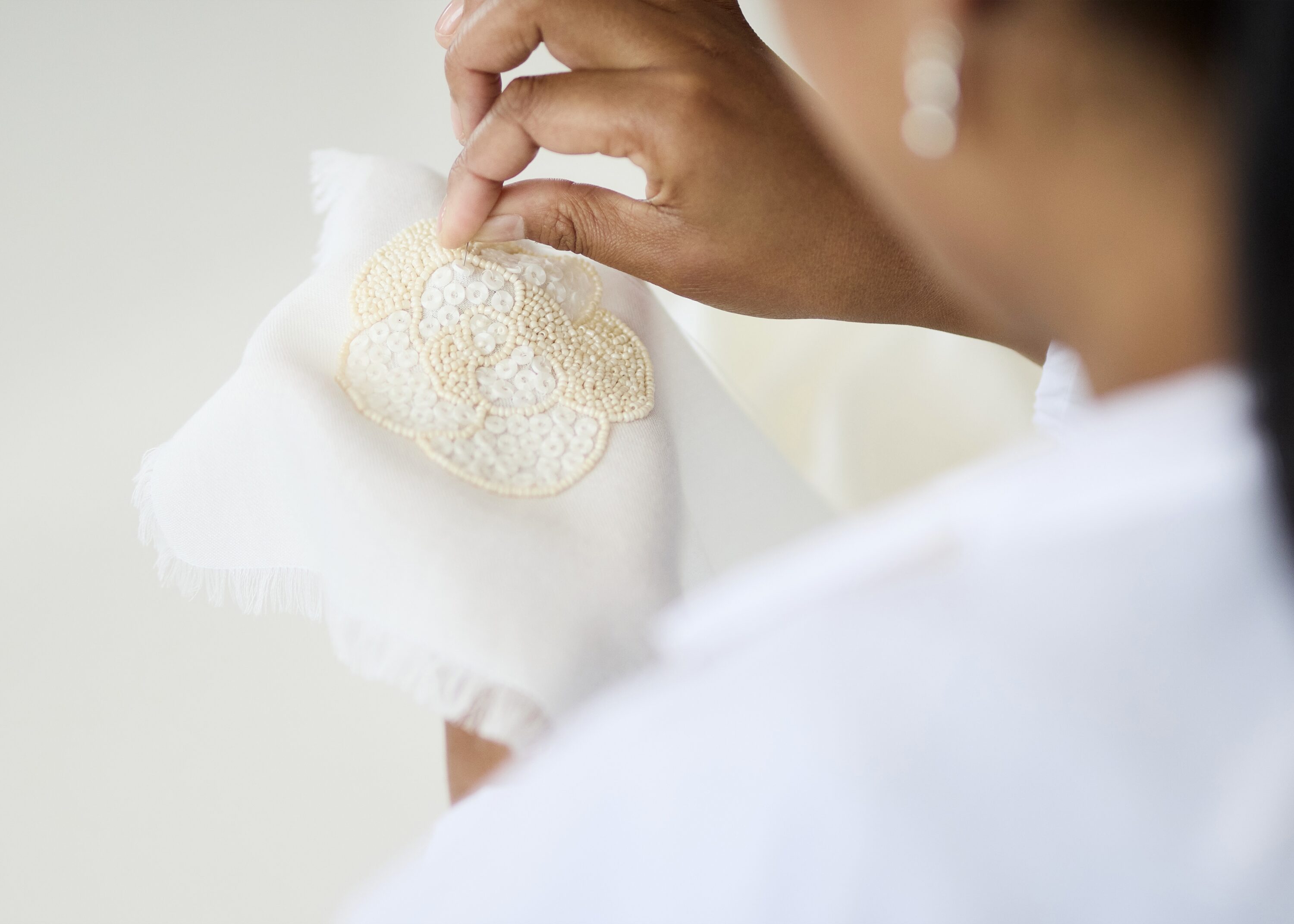
Madagascar’s textile tradition is rooted in meticulous manual work and dexterity. At PILATEX, those skills remain part of everyday production, including in the creation of scarves, pouches, shawls and other textile accessories.
The company combines hand-executed techniques with specialised machinery to produce for international brands while maintaining a strong focus on craftsmanship.
PILATEX describes its philosophy this way:
“Choosing to produce locally is not merely an industrial decision: it reflects our conviction that textile production is built over time, by enhancing artisanal skills and creating economic and social value rooted in local communities.”

When Work Creates Opportunity

PILATEX places particular emphasis on employment and social programmes for its workforce and their families.
One of the company’s stated core values is:
“EMANCIPATION & EMPOWERMENT, our foundation. We strive to transform lives through dignified work and access to basic social services. Our craftswomen become the pride of their families, build economic independence, and open new horizons for future generations.”
PILATEX reports that its healthcare programmes support approximately 3,000 people, including coverage of 80% of hospitalisation costs. The company also reports supporting educational opportunities for around 650 children and young people each year through scholarships, academic support and post-secondary guidance.
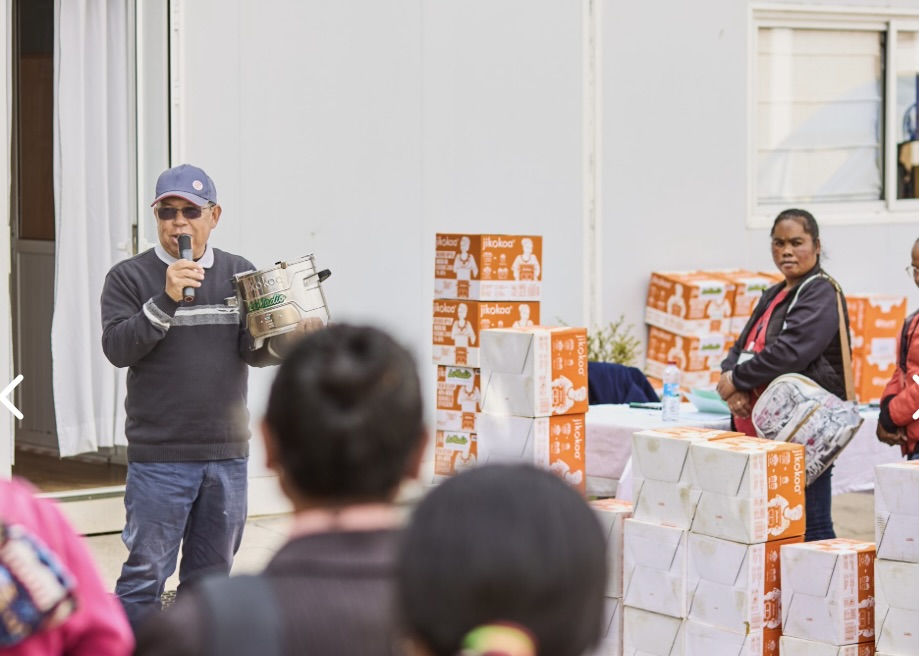
The company’s programmes also extend beyond the workplace. According to PILATEX, hundreds of families have received improved cooking stoves and other cooking solutions.

Within its operations, the company has introduced solar power, recycling initiatives, river-water recovery systems and carbon-footprint analysis. It also reports planting local species through community-based reforestation activities and providing employees and their families with information about environmental practices.
PILATEX subsequently pursued certification under the Global Organic Textile Standard (GOTS).

GOTS sets requirements for the processing and manufacturing of textiles made with certified organic fibres. Its scope covers stages after raw fibre production, including first processing, manufacturing and trading.

PILATEX says that implementing GOTS requirements strengthened a number of its existing systems and introduced additional mechanisms, including accessible reporting channels and suggestion boxes for artisans.
The company also reports commercial and organisational effects following certification, including stronger relationships with international clients, new business opportunities and changes to internal processes.
PILATEX describes another effect in its own words:
“Beyond technical and commercial aspects, GOTS has had an unexpected cultural effect within our company: a renewed sense of pride.”
For PILATEX, GOTS certification also provides a way to demonstrate to customers that activities within the scope of certification have been independently assessed against applicable requirements of the standard.
The company explains:
“Working in an organisation audited against a globally recognised standard provides concrete proof that the gestures of everyday work — handling of inputs, hygiene, working conditions — meet international expectations.”
At PILATEX, traditional Malagasy textile skills now operate alongside production systems serving international customers. Its story shows how artisanal knowledge, local employment initiatives and independently certified textile processing can come together within a modern manufacturing business.