Organic, but make it bold!

“Organic, certfied Fashion? Sorry, but I’m more into colours and not just beige!”

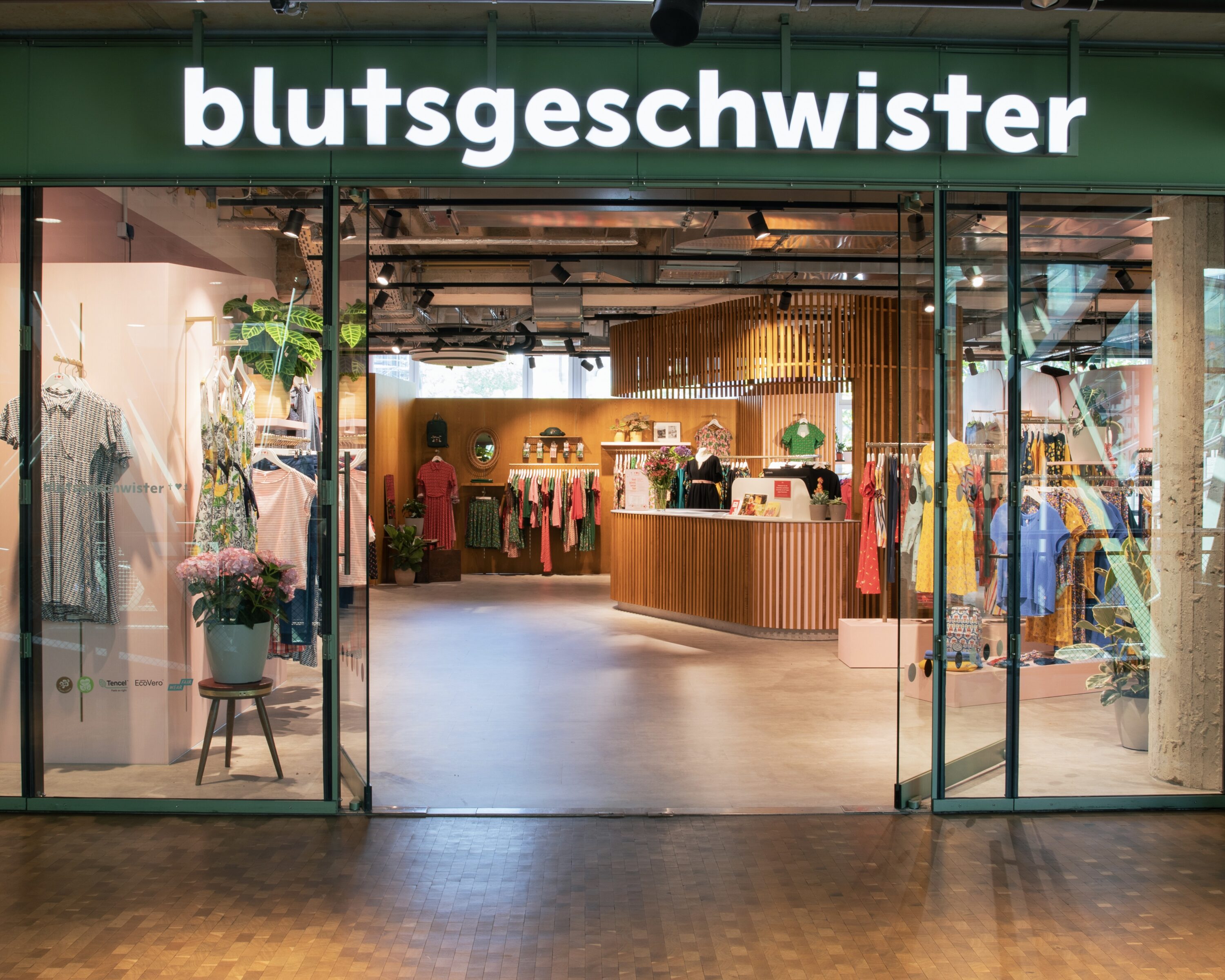
Textiles made to meet GOTS requirements do not have to be associated with muted greens, soft browns or minimalist design. Berlin-based fashion brand Blutsgeschwister shows how bold colours, distinctive patterns and expressive design can form part of the picture.

Founded in 2001 by designer Karin and a collective of creative free spirits, Blutsgeschwister has built its identity around unconventional, colourful, patterned and “everyday-wearable” clothing “that works independently of short-lived trends and is made to be worn with love.” Strong prints and bold colour palettes remain essential to the brand’s DNA. Bringing the designers’ creative ideas and distinctive aesthetic together with applicable GOTS requirements, however, requires structure and precision.

This year, Blutsgeschwister turns 25, and its anniversary capsule pays tribute to the brand’s wild early days: rebellious, lovestruck and perfectly imperfect. The team is bringing back some iconic styles of the early 2000s – the era of low-rise flared jeans, cheeky jersey cuts and playful prints that evoke childhood memories. The joy and anticipation are summed up by the Blutsgeschwister team:
“Back then we danced through endless nights and summer rain, full of life, friendship and the wild hope that the world would one day discover us – and later remember us: the Blutsgeschwister who brought color into the gray, seductive, playful and free.”

GOTS certification goes beyond requirements for certified organic fibre content. GOTS sets requirements for subsequent textile processing and manufacturing, including requirements relating to chemical inputs, wastewater treatment and residue limits, as well as defined social criteria. Compliance with applicable GOTS requirements is independently assessed and certified by accredited third-party Certification Bodies.
For brands working with intense colours and detailed prints, these requirements crea

te a practical challenge: how to maintain a distinctive design aesthetic while meeting the applicable GOTS requirements for textile processing.
For Blutsgeschwister, the decision to pursue GOTS certification in 2022 followed an earlier shift from conventional to organic cotton in 2019. The company says it wanted “not only to implement this step internally, but also to make it transparent and credible externally.”

GOTS provides a defined certification framework for textiles made with certified organic fibres and includes traceability requirements for certified goods through the textile supply chain.
According to Blutsgeschwister, certification did not restrict the brand’s creative approach but led to more precisely defined processes. In some cases, material compositions were adjusted to meet certification requirements “without compromising on our design and quality standards.” The company says this also made its approach to material management more structured and systematic.
The experience illustrates that certification requirements do not determine a brand’s aesthetic. Bold colours, detailed prints and distinctive design can be developed within the defined requirements of the GOTS programme.

Certified fashion is no longer just beige. With the right programme, expertise and commitment in place, it can be unapologetically colourful.
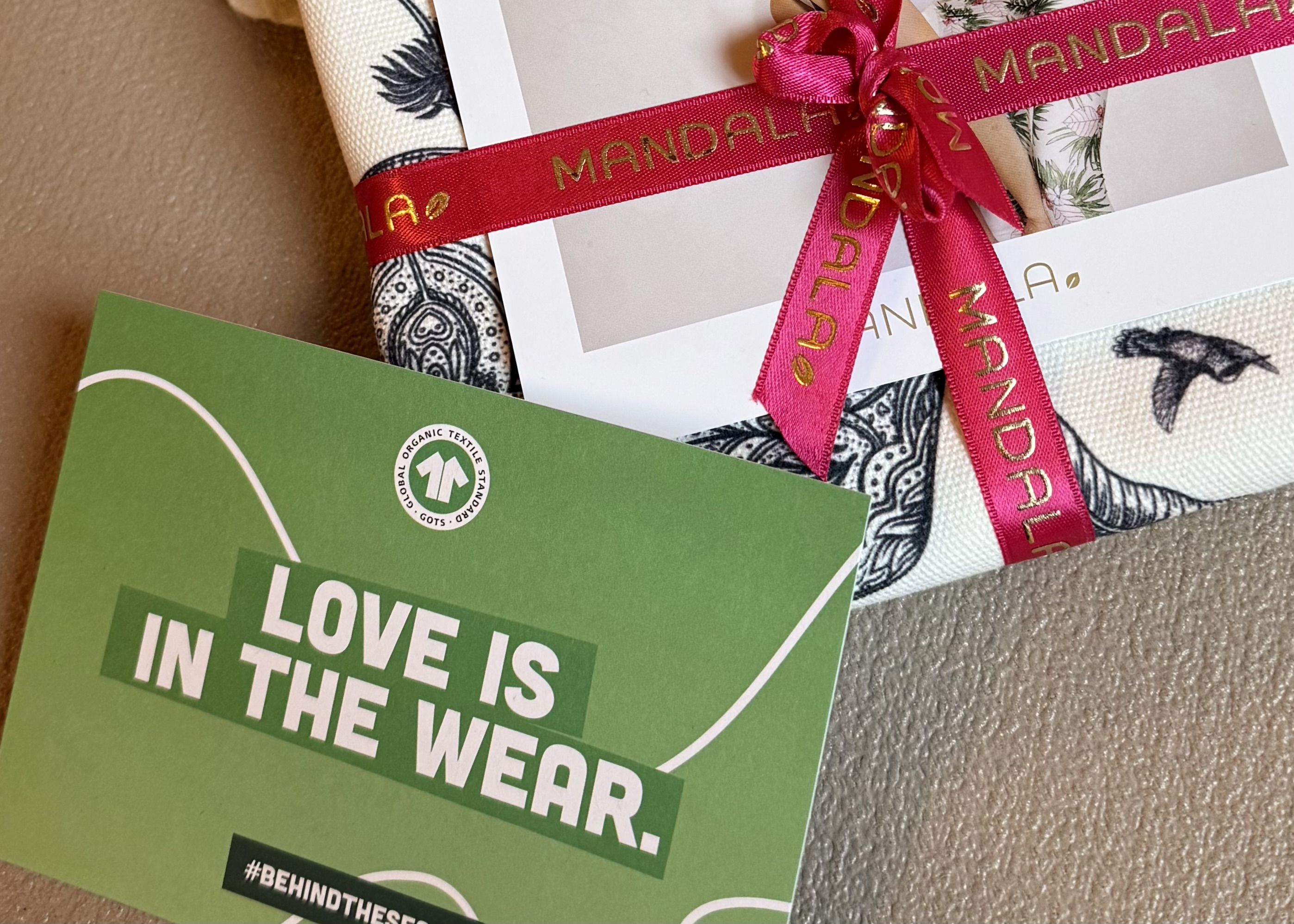
A Valentine’s Day #BehindTheSeams: Meaningful Gifts for Lovers of Certfied Products

Valentine’s Day has become one of those moments in the year when consumption can easily distract from what matters when showing care and affection to the people closest to us. When shops fill with thousands of heart-shaped objects and gift guides tell us which trending items we “must” have this year, the pressure to express love through spending can sometimes feel louder than the sentiment itself.

But love doesn’t need excess.

Valentine’s Day can instead be an opportunity to think carefully about what – if anything – we choose to give. Because the most meaningful gifts are rarely the loudest ones. They are the thoughtful ones.
Love is not fast – and a gift doesn’t have to be either
Clothing and other textiles can be chosen for more than a passing trend. If you decide to give a textile-related gift this Valentine’s Day, it doesn’t have to be extravagant. It could simply be one carefully selected piece that suits the person receiving it and that they will want to wear or use again and again.

For consumers looking for information about how a textile has been produced, certification can provide a defined reference point. GOTS sets requirements for the processing and manufacturing of textiles made with certified organic fibres, including requirements relating to chemical inputs, environmental management and defined social criteria. Compliance with applicable GOTS requirements is independently assessed and certified by accredited third-party Certification Bodies.

So a Valentine’s gift might be a GOTS-certified shirt containing the specified proportion of certified organic fibres, or a scarf chosen because you know the person receiving it will enjoy wearing it.
Not because any product is “perfect,” but because a thoughtful gift can reflect the care that went into choosing it.

The most romantic gift is attention, right?

For many people the most meaningful gifts aren’t objects at all. They are gestures. Time spent together without distraction. A healthy meal cooked slowly (maybe even together). A walk, a shared afternoon, a moment that feels genuine rather than staged.

Valentine’s Day doesn’t need to be an industry-driven performance. It can simply be an excuse to pause and say:  I know what matters to you. I want to build that kind of life with you.

That is romance without consumerism.

Thoughtful gifts can still be beautiful

Of course, giving something tangible will always be special if chosen with intention.

Jewelry made from recycled metals. Fair trade chocolate that supports farmers instead of harming them. Small accessories, like scrunchies or socks made from certified fabrics, crafted with transparent supply chains. These gifts carry meaning because they reflect care not only for your partner, but also for the people behind the product. A good gift is not about being trendy, but about being mindful.

A Valentine’s Day aligned with certified textiles, gifts and conscious living isn’t about perfection. It isn’t about expensive things or grand gestures. It’s about refusing mindless consumption and choosing something more lasting: connection, respect and shared intention. Love is measured in how deeply you care.

Rest, Reconsidered: The Materials That Hold Us While We Sleep

Sleep is not something that happens only in the body. The way we rest and give our body energy is shaped by space, light, texture, colour, temperature and by the subtle signals our environment sends to the nervous system long before we close our eyes. This understanding lies at the heart of Kalani Home, a Belgian home textile brand founded in 2016 in Genval (Belgium), whose work sits right where design, well-being and material consciousness. Specialising in bed linen, bath and table linen, as well as light bedding such as duvets and pillows, Kalani approaches the concept of “home” not as a purely aesthetic space, but as a living environment that can actively support rest, recovery and emotional balance with textiles.

From the beginning, Kalani has worked with a small, focused team and a deliberately controlled production scale, designing textiles with longevity in mind. Its collections are understated and timeless, allowing the body and the space to take centre stage.

GOTS has formed part of Kalani’s approach since the brand’s early years. Founder Bruno Van Steenberghe says that, after researching different approaches to textile production, the company decided to work with textiles made with certified organic fibres and processed and manufactured in accordance with GOTS requirements. GOTS applies requirements to the processing and manufacturing of textiles made with certified organic fibres, including defined environmental and social requirements.

Neuro-architecture explores the relationship between people and the spaces around them, including how elements such as layout, bed placement, colours, textures and materials contribute to the experience of a room. A bedroom can be visually expressive or deliberately simple, but in either case its design can influence how we experience the space.

Within this approach, home textiles are an important part of bedroom design. Sheets, pillowcases and duvet covers are not simply decorative layers: they are in direct contact with the body for several hours each night. Their texture, weight, warmth and feel can therefore play an important role in personal comfort and in the overall sensory character of the bedroom.

Material choice is part of that experience. Cotton and linen, for example, have distinctive material properties and textures that can be considered alongside factors such as colour, weight, weave and the temperature of the room. Rather than treating bedding simply as decoration, a neuro-architectural approach considers it as one element within the wider design of the sleeping environment.

Kalani has explored these ideas through collaborations with sleep and home-design experts, examining how choices in home textiles interact with spatial design. More recently, the brand has been working with neuro-architecture and feng shui expert Alexandra Bautista, founder of Architecture Vivante®, whose approach brings together neuroscience, environmental psychology and spatial planning.

In this approach, the bedroom is considered a space for rest and recovery, with attention given to how its different elements work together. Material, texture, colour and spatial arrangement can all form part of creating a bedroom that feels comfortable and restful to the person using it.

Colour is another important part of how we experience a bedroom. Bedding is often chosen according to personal taste or changing trends, but colour can also contribute to the overall atmosphere of a space. Some people find soft blues and muted tones restful, while others feel more comfortable surrounded by warmer or deeper colours. Because bedding occupies such a prominent place in the bedroom, its colour and pattern can have a strong visual presence.

Neuro-architecture does not need to translate this into a universal formula. There is no single “correct” colour or texture for everyone. Personal history, associations and individual preferences can all affect how we experience a space. A colour one person finds soothing may be unappealing to another.

This makes observation a useful part of bedroom design. Notice how different colours, fabrics and textures feel to you when you enter the room or get into bed. Rather than following a fixed formula, these preferences can help shape a sleeping environment that feels comfortable and personal.

Bedding can therefore become part of a personal ritual rather than simply a static object. Changing the sheets is a practical task, but it can also refresh the colour, texture and overall atmosphere of the room in which we rest.

Kalani Home approaches its textile choices with this relationship between material and space in mind. Its bedding uses natural fibres and places emphasis on tactile qualities, colour and materials intended for regular, everyday use. For its GOTS-certified products, the relevant certification provides a defined framework for textile processing and manufacturing, including requirements relating to chemical inputs and residue limits.

In a world full of screens, stimulation and busy routines, neuro-architecture invites us to pay closer attention to the spaces in which we rest. The home, and especially the bedroom, can be approached as a place where colour, texture, materials and layout come together to create a particular atmosphere. Through thoughtful design and greater awareness of how we personally experience our surroundings, the bedroom can become a space that feels comfortable, restorative and distinctly our own.

Sometimes, creating a bedroom that feels right is not about adding more, but about paying closer attention to what we choose to surround ourselves with when it is time to rest.

How Nordlicht’s Materials Return to the Earth

Today, when we hear the term “circularity” in the textile industry, our minds often jump to recycled plastics – from bags to coats made with recycled synthetic fibres. But discussions about circularity in textiles are not limited to recycled synthetic materials. Natural fibres also form part of the wider conversation about materials, textile processing and what happens to products and materials at the end of their useful life.

One brand exploring this space is Nordlicht, a GOTS-certified label founded in Germany by friends Maritta and Nico. Their approach brings together fashion, materials and considered design. Through its GOTS-certified products, Nordlicht also participates in a certification programme that sets requirements for textile processing after raw fibre production. Compliance with GOTS requirements is independently assessed and certified by accredited third-party Certification Bodies.

“We believe that fashion is only truly sustainable if it is worn for a long time and can return to the natural cycle at the end of its life. High-quality, natural fabrics are the basis for this.”

From the very beginning, Nordlicht has approached its collections with a simple idea: to think carefully about the materials that go into its clothing and what happens to garments over time. The team works mainly with materials such as organic cotton, linen, lyocell and wool, choosing them alongside considerations such as feel, function and durability.

For Nordlicht, this material-focused approach forms part of a broader interest in circularity: thinking beyond the moment a garment is purchased and considering how it is used, cared for and kept in use. Rather than treating circularity as a single material choice or outcome, the brand brings these considerations into its approach to design.

Circular thinking also shapes how the brand designs and produces. Nordlicht aims to create timeless garments that can be cared for and repaired rather than quickly replaced. Its pieces are produced in Portugal, and the brand places an emphasis on maintaining close relationships with its production partners.

Nordlicht became GOTS-certified in 2024, adding independent certification against defined requirements to this approach. GOTS covers textile processing after raw fibre production, including first processing, manufacturing and trading, and sets environmental and social requirements within this scope.

For Nordlicht, certification also provided a framework for reviewing its processes and working with suppliers against defined requirements. Rather than serving as proof of a broad claim about sustainability or responsibility, certification provides a way to demonstrate conformity with the requirements of the GOTS programme.

Nordlicht’s story offers one perspective on how brands can bring longer-term thinking into the way clothing is designed, made, cared for and used. It also illustrates the role that clearly defined and independently assessed certification requirements can play in textile production.

How GOTS-Certified Brand Iris + Arlo Is Changing Menstrual Care in Canada

In December 2023, changes to Canada’s Labour Code introduced requirements for federally regulated employers to provide free menstrual products in the workplace. The development has also contributed to a wider conversation about access to menstrual products, dignity and inclusion in the workplace.

Access to menstrual products can have implications for people at work and in everyday life. At the same time, the materials and production processes behind these products are increasingly part of wider discussions about textiles and their environmental impacts.

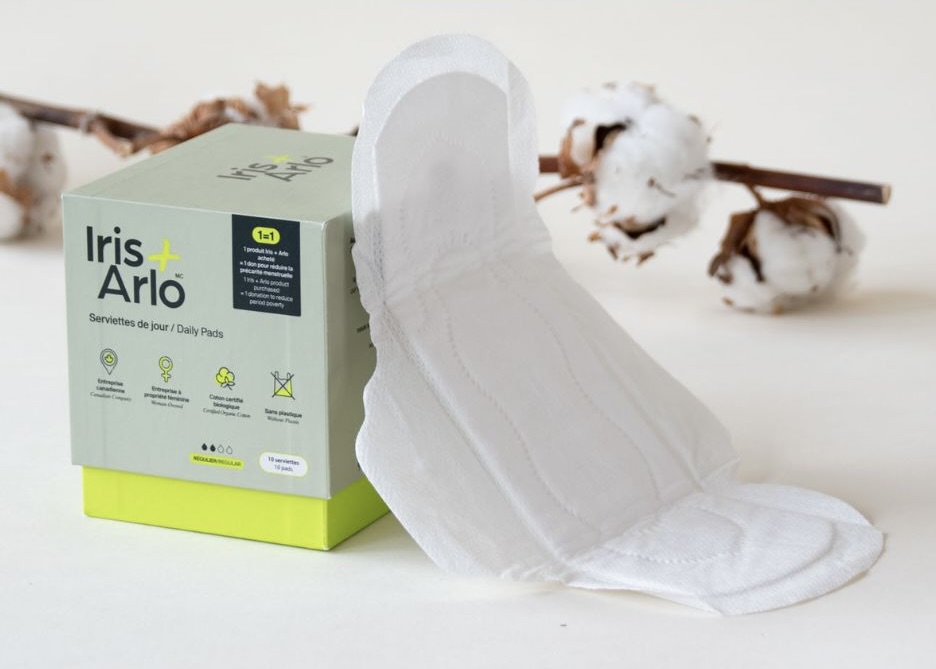
One company working in this area is Iris + Arlo, founded by Canadian entrepreneur Lara Emond. The company offers menstrual products and has chosen GOTS certification for products within its certified scope.

GOTS sets defined requirements for textile processing after raw fibre production, including criteria relating to permitted and restricted chemical inputs as well as environmental and social requirements within the certification scope. This distinction matters. GOTS certification does not mean that a finished product can automatically be described as “free from harmful chemicals,” nor does it guarantee particular environmental, health or working-condition outcomes.

For employers required to provide menstrual products, companies such as Iris + Arlo offer one way of combining workplace access with products covered by independently assessed certification requirements. Iris + Arlo also provides dispensers and disposal systems for workplaces, alongside workshops and educational resources intended to support conversations around menstruation.

Providing menstrual products in the workplace can be more than a practical measure. It can form part of an employer’s broader approach to menstrual health and access, while helping to make menstrual products readily available to people who need them.

The changes to Canada’s Labour Code provide a timely context for these conversations. Alongside questions of workplace access and inclusion, they also create an opportunity to look more closely at the products being provided and the standards and certification requirements that apply to them.

For Iris + Arlo, GOTS certification provides an independently assessed framework of defined requirements for textile processing within the certification scope—giving employers and consumers more specific information about the standards against which certified products have been assessed.

From Roots to Textiles – Meet MAZINE

When MAZINE began its story in 1998 in Mülheim an der Ruhr, the region already carried a rich legacy of change. For generations, the Ruhr area has brought together people, cultures and ideas. MAZINE was born in this setting, and that connection to change and evolution continues to shape the brand today.

From the beginning, MAZINE has focused on function, authenticity and adaptability. Everyday life moves between work, family, leisure and personal style, and the brand designs streetwear and outerwear with these different moments in mind.

Even as trends have changed, MAZINE has maintained its focus on creating clothing for people who walk their own path. What started in 1998 has developed over time as the brand has explored new materials, designs and product categories while continuing to work with long-standing suppliers. “Every market has its own relationship to sustainability, its own price sensitivity, its own aesthetic preferences,” explains Henry Canton, MAZINE’s brand ambassador. With a price range from €50 to €250, the brand aims to make its collections accessible to a broad audience.

Long-term relationships also play a role in MAZINE’s approach to production. The company has worked with some of the same suppliers for years while continuing to develop its materials, designs and product categories.

“When customers entrust us with their money,” managing director Jina Oh explains, “they deserve to know where it goes.” Looking ahead is another part of that approach. The team considers how developments ranging from climate regulation and changing consumer behaviour to new technologies could affect the fashion industry in the years ahead.

MAZINE’s roadmap includes material innovation partnerships, urban regeneration projects and local and European recycling initiatives.

“Our goal is honesty,” says Oh. “In an industry built on aspiration and illusion, that’s perhaps the most radical position of all.”

Certification forms another part of MAZINE’s approach. MAZINE is certified to GOTS within its applicable certification scope. GOTS sets defined environmental and social requirements for textile processing after raw fibre production. Recycled materials also feature in parts of MAZINE’s collections. The brand uses materials including recycled polyester in qualifying products, with GRS certification used where applicable to provide independent certification against the requirements of that standard.

For MAZINE, looking at materials also means considering how existing resources can be used in new products. Recycled fibres can provide inputs for new textile products, and the brand continues to explore their use alongside other material choices.

This work takes place against a wider industry conversation about textile waste, resource use and the lifespan of clothing. MAZINE’s response is to continue examining its materials, product design and production relationships rather than presenting the journey as complete.

The team describes this as an ongoing process. Materials and designs continue to evolve, new approaches are explored, and certification provides defined requirements against which activities within its scope can be independently assessed. Since 1998, MAZINE’s fashion and identity have evolved with the times while maintaining their roots in the Ruhr. From Mülheim to a wider international audience, the brand continues to combine its history with an interest in materials, design and the future of clothing.

Rethinking Dyeing and Wet-Processing with SALZWASSER – The role of GOTS certification

Dyeing is an important stage of textile processing. It brings colour to fabrics and helps turn materials into the textiles and clothing we use every day. It is also a stage where choices about chemical inputs, water and wastewater management become particularly relevant.

For SALZWASSER, a German brand with GOTS-certified products, these processing stages are an important part of the conversation about how textiles are made.

“We wanted a certification that covers every step and not just the raw material. That’s why we chose the GOTS label,” says founder Lennart Henze.

More precisely, GOTS applies requirements across textile processing after raw fibre production, including first processing, manufacturing and trading. Wet processing, including dyeing, is one of those areas. GOTS sets criteria for chemical inputs used in textile processing as well as requirements relating to wastewater management. These requirements provide defined criteria against which certified operations can be assessed rather than treating dyeing simply as an unseen step between fibre and finished garment.

SALZWASSER also has its GOTS-certified textiles tested by the Bremer Umweltinstitut for specified substances, including formaldehyde and certain heavy metals. Such testing can provide information about the substances covered by the particular analysis. It should not, however, be understood as establishing that a finished textile is entirely free from harmful substances or is harmless under all circumstances.

For Henze, focusing on dyeing and other processing stages is an important part of SALZWASSER’s approach to its products. “The environmental impact of dyeing is enormous,” he explains.

GOTS certification provides a framework of defined requirements that applies to these processing stages. Rather than making a broad claim that a product or dyeing process is simply “sustainable” or environmentally harmless, certification allows brands and consumers to identify the requirements against which processing within the certification scope has been independently assessed.

For customers, that means looking beyond the fibre itself and considering the processing stages that turn fibre into fabric and fabric into a finished textile.

For SALZWASSER, colour is therefore not only about the finished look. Dyeing is also a processing stage where defined requirements for chemical inputs and wastewater management can be applied and independently assessed through GOTS certification.

Would you like to have a further look into SALZWASSER’s dying facilty? Click here!

From Kathmandu to Copenhagen – and Beyond: The Story of CARE BY ME

Our #BehindTheSeams campaign looks beyond the clothes themselves to the people, skills and craftsmanship involved in making textiles around the world.

CARE BY ME is a Danish brand that first received GOTS certification in 2017. Its collections bring together design from Copenhagen with textile and craft traditions in Nepal, India and Italy.

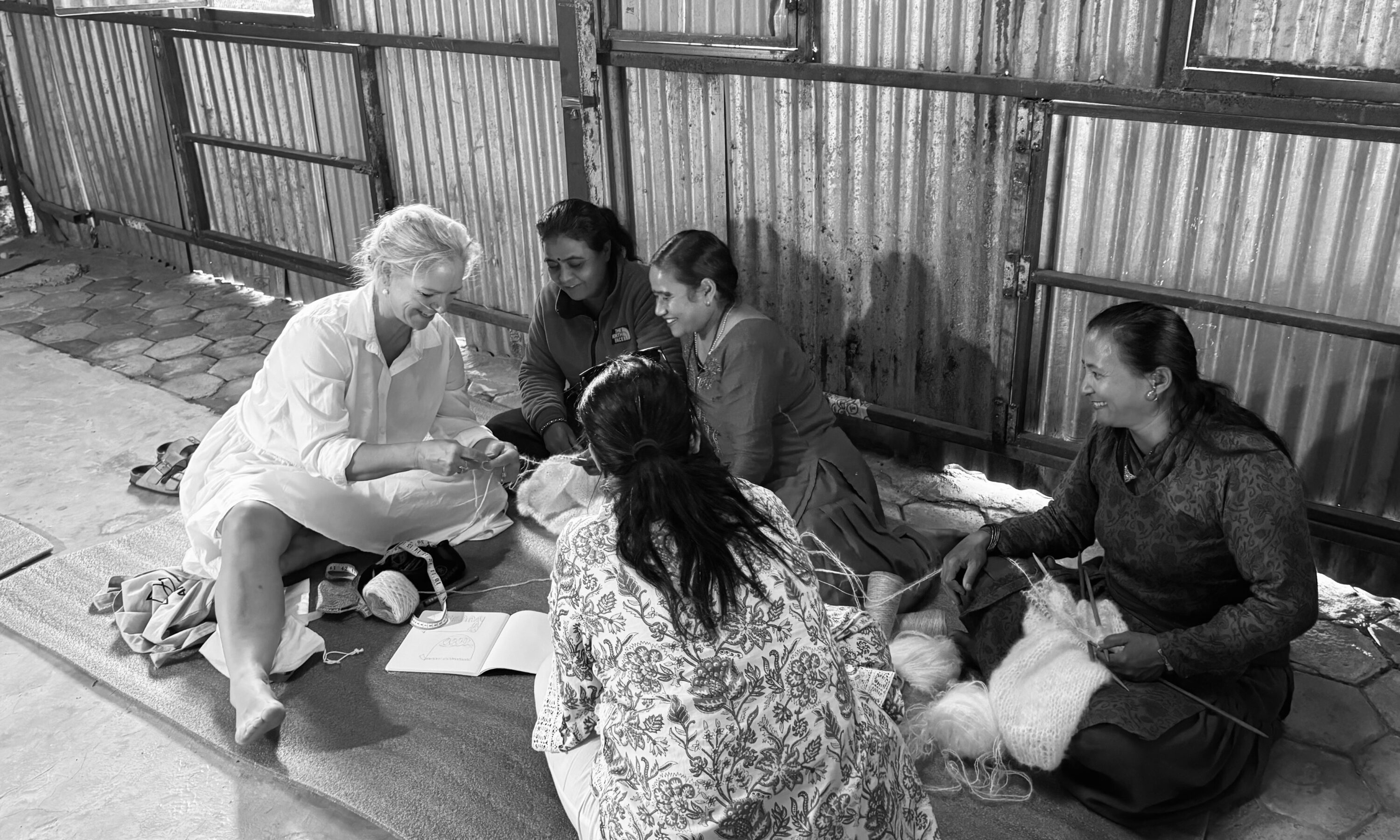
When CARE BY ME was founded in 2012, Danish designer Camilla Gullits set out to combine timeless design, natural materials and skilled craftsmanship. That vision led her to Nepal, where the brand’s first cashmere collection was created with three women.

Today, more than 75 artisans are involved in carrying that craft tradition forward. Their skills and experience form an important part of the production story behind CARE BY ME’s collections.

The people behind textiles are also relevant to GOTS certification. For #BehindTheSeams, stories like CARE BY ME’s provide an opportunity to look more closely at the people and skills involved in textile production—and at the defined requirements that apply within GOTS certification.

As the brand grew, Camilla looked to expand the collection with organic cotton. The search led to India, a country with a long history of cotton cultivation and textile production.

For CARE BY ME, working with organic cotton added another material and textile tradition to its collections. GOTS certification provides a defined framework for the textile processing stages that follow raw fibre production, with environmental and social requirements applying within the certification scope.

This distinction is important: GOTS does not certify the cultivation of cotton itself. Instead, GOTS applies requirements to textile processing after raw fibre production, including first processing, manufacturing and trading, and requires qualifying certified organic fibre inputs for GOTS-labelled products.

The story has since expanded to Prato, Italy, a region with a long history of working with recycled textiles. CARE BY ME collaborates with Italian artisans to create collections using recycled cashmere and wool, bringing another textile tradition into the brand’s material story.

For CARE BY ME, thinking about how textiles are made does not stop with design or fibre choice. The brand has maintained GOTS certification for more than eight years.

For a brand working across different textile traditions and production locations, certification therefore provides one consistent programme of defined requirements against which activities within its scope can be independently assessed.

From the first cashmere pieces made in Nepal to organic cotton textiles produced in India and recycled cashmere and wool collections made with artisans in Italy, CARE BY ME’s story brings together different materials, places and forms of craftsmanship.

When you choose CARE BY ME, you become part of that story: one that begins with materials and skilled hands in different parts of the world, connects with design in Copenhagen, and continues in the finished garment.

Behind every seam is more than the garment itself. There are materials, processes, skills and people involved in bringing it to life.

It’s a Wrap – #BEHINDTHESEAMS 2025

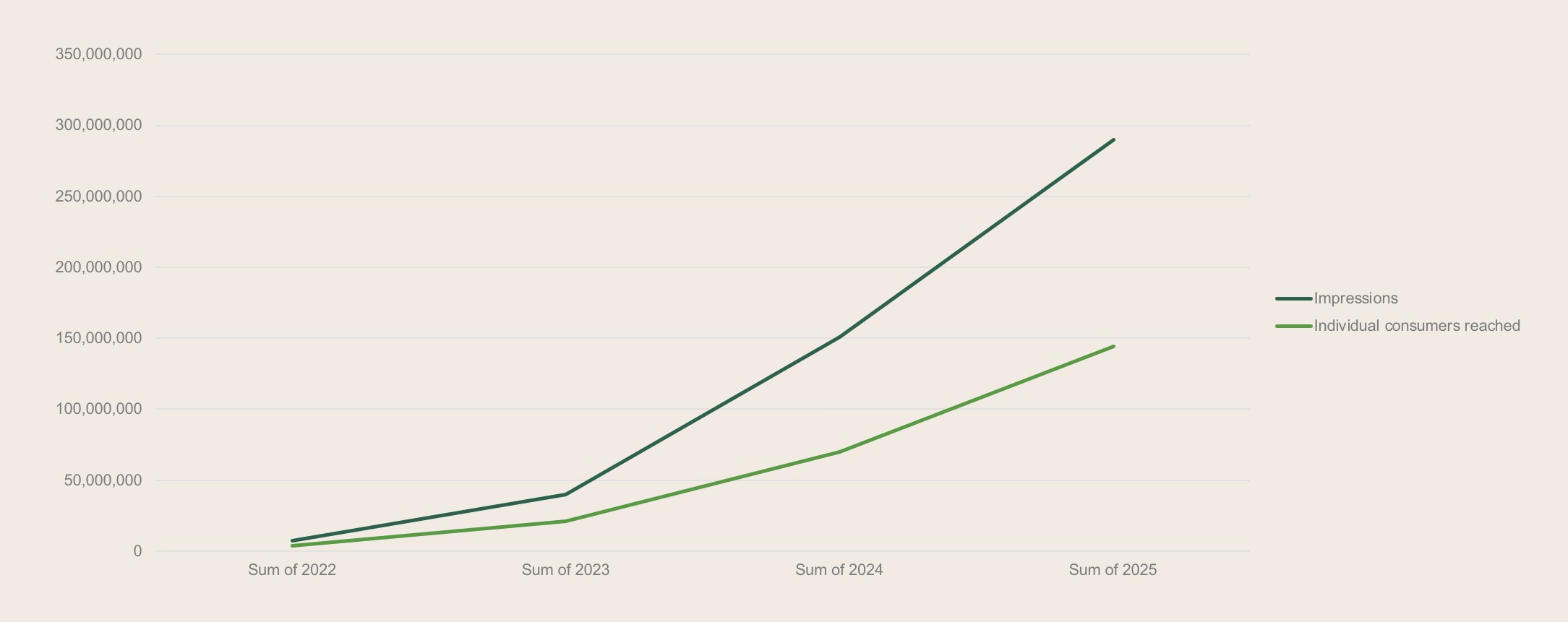
Can you believe it is October already? It’s hard to believe how quickly September passed, but the impact of our campaign will resonate far beyond those thirty days! The global GOTS community once again came together to shine a light on what truly matters in fashion and textiles. The #BehindTheSeams campaign made waves across the world, reaching over 290 million impressions, engaging 144 million people, and bringing more than 850,000 visitors to the #BTS campaign website. These numbers are more than statistics to us!

They show the strength of a movement built a unified voice and on shared values.

Because behind every certified and sustainably made product is more than just fabric, fibres and logistics. All goods have a story to tell: organic fibres that nurture the soil, workers treated with dignity and respect, and brands proving that sustainability is not a trend but a commitment – all driven by a baseline of deep dedication. And the best part? There are no compromises anymore. GOTS-certified textiles come in every shape, size or colour, proving that living your values doesn’t mean sacrificing your unique (life)style.

The heart of #BehindTheSeams is community. From fields and farms to workshops, dye houses, and fashion labels, every certified entity is part of a bigger picture. With our campaign we aim to create a movement that is global, diverse and united. This year, the #SpotGOTS challenge invited everyone to celebrate their favorite certified pieces online, helping spread awareness and giving visibility to the brands leading the way. Each post became part of a shared story: that responsible textiles are not only possible, they’re already here.

Looking ahead, we’re excited to continue this tradition!

From September 1–30, 2026, #BehindTheSeams will return for its fourth edition. Mark your calendars, register your interest and prepare to share or learn even more impactful stories.

Together, we are more than just companies, farmers, workers and consumers. Together, we are Global Standard! And together, we’re building the future of textiles.

Oui to Style, Oui to Certified Fashion: Mademoiselle YéYé

Sometimes the best ideas begin unexpectedly. Florence Shirazi and Kai Alt, brought together by their love of fashion — and each other — turned one such idea into a fashion brand that has been active since 2013.

Things do not always go according to plan. As Florence explains: “Originally, we wanted to make smart, British-inspired men’s fashion. But as so often in life, things turn out differently than you think.”

“And anyone who knows what YéYé means, also knows the sound where it all began.”

Today, Mademoiselle YéYé works with six agencies across Europe and supplies around 350 B2B clients, while also reaching online customers in markets including Japan and the UK.

The brand’s style draws inspiration from the lightness of French lifestyle: playful, effortless and timeless, like a café au lait enjoyed in the morning sun. Its collections range from dresses, tops and trousers to jackets, knitwear, denim and accessories.

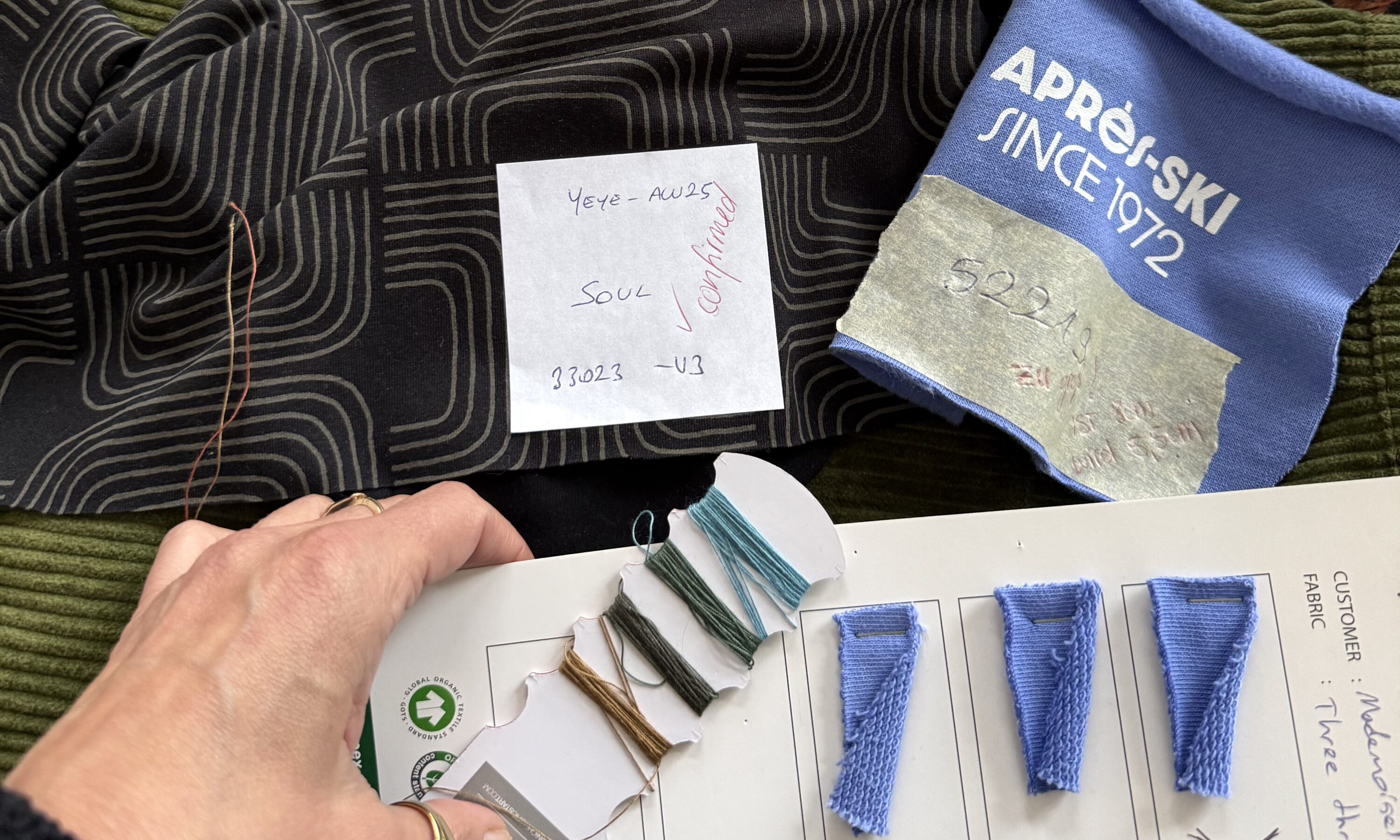
With two collections a year and around 50,000 pieces produced annually, Mademoiselle YéYé works with seasonal collections rather than frequent production drops. For this year’s autumn and winter collection, the brand reports that around 40% of its production is GOTS-certified.*

Other materials used across its collections include ECOVERO and lyocell. Rather than combining these different characteristics into a single “sustainability” score, each material or certification can provide specific information about the products in which it is used.

GOTS has become an important certification for Mademoiselle YéYé. The founders explain that they value its approach because it extends beyond fibre content to requirements covering subsequent textile processing stages. For Mademoiselle YéYé, certification also provides a specific way to communicate about the requirements against which qualifying products and processing stages have been assessed.

The experience has encouraged the brand to continue exploring new materials. “We are even more ambitious now and always on the lookout for new materials,” the team explains.

With French flair, a Stuttgart heartbeat and a distinctive approach to design, Mademoiselle YéYé continues to combine fashion, colour and personality with an interest in materials and independently certified textile production.